
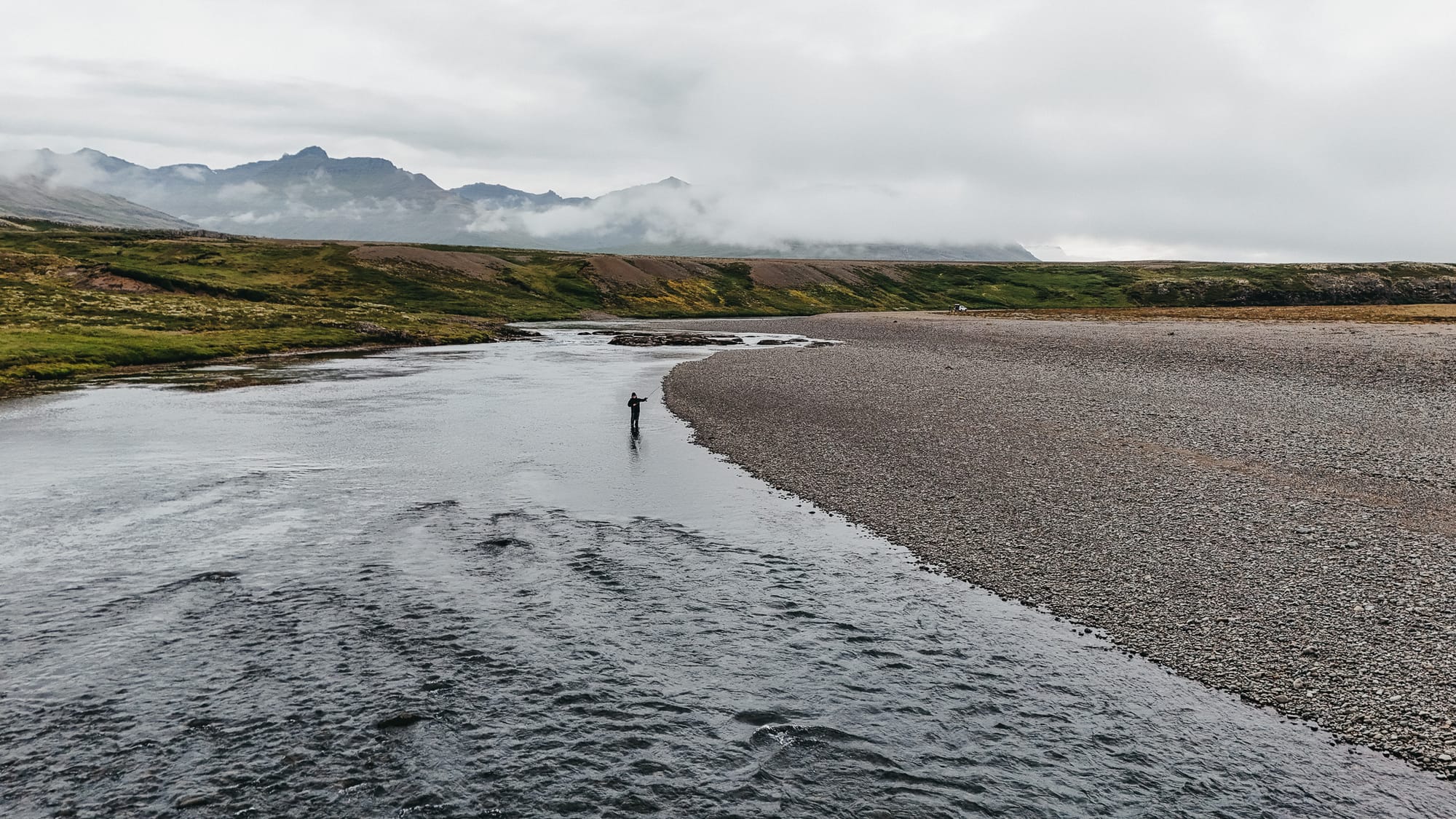
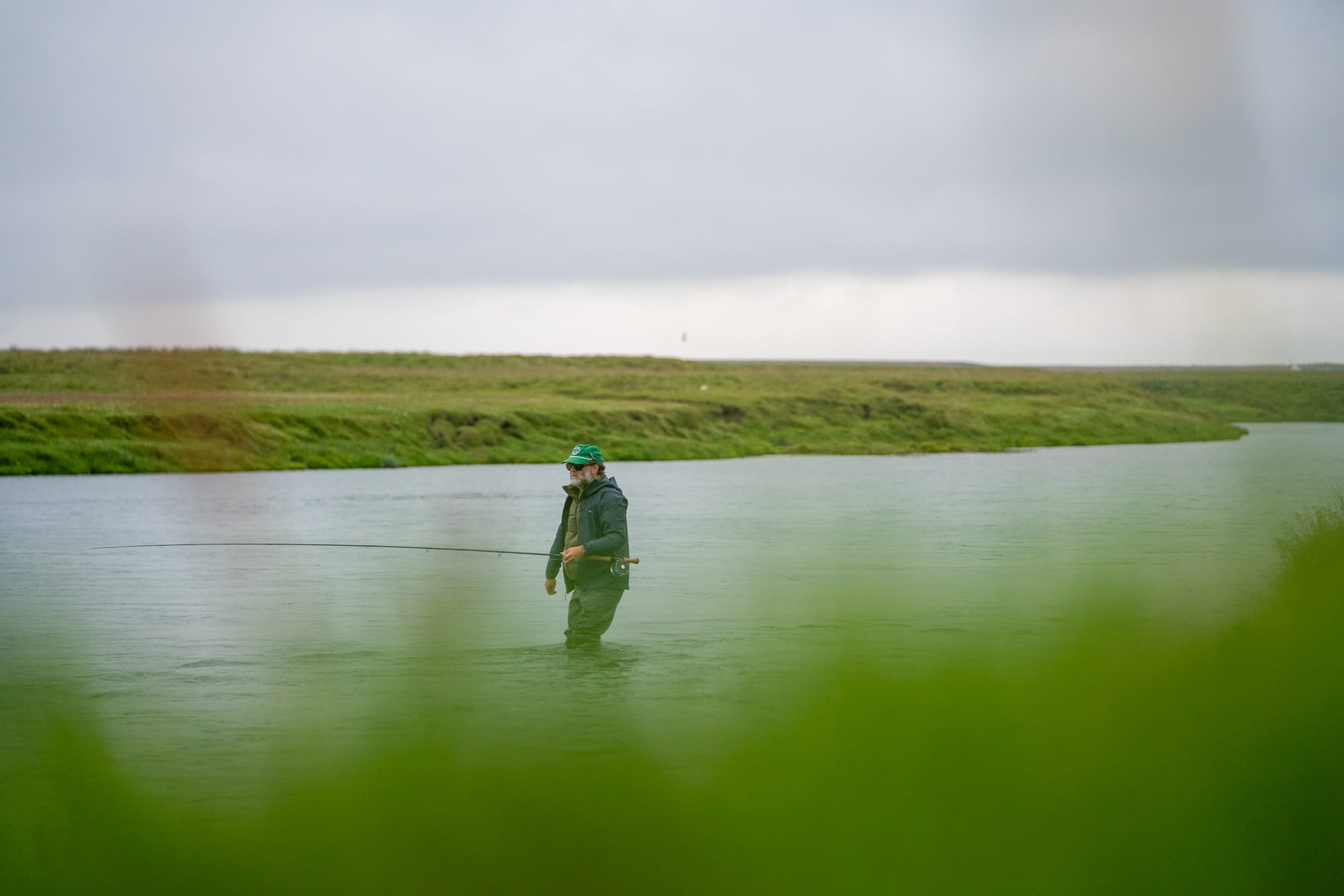
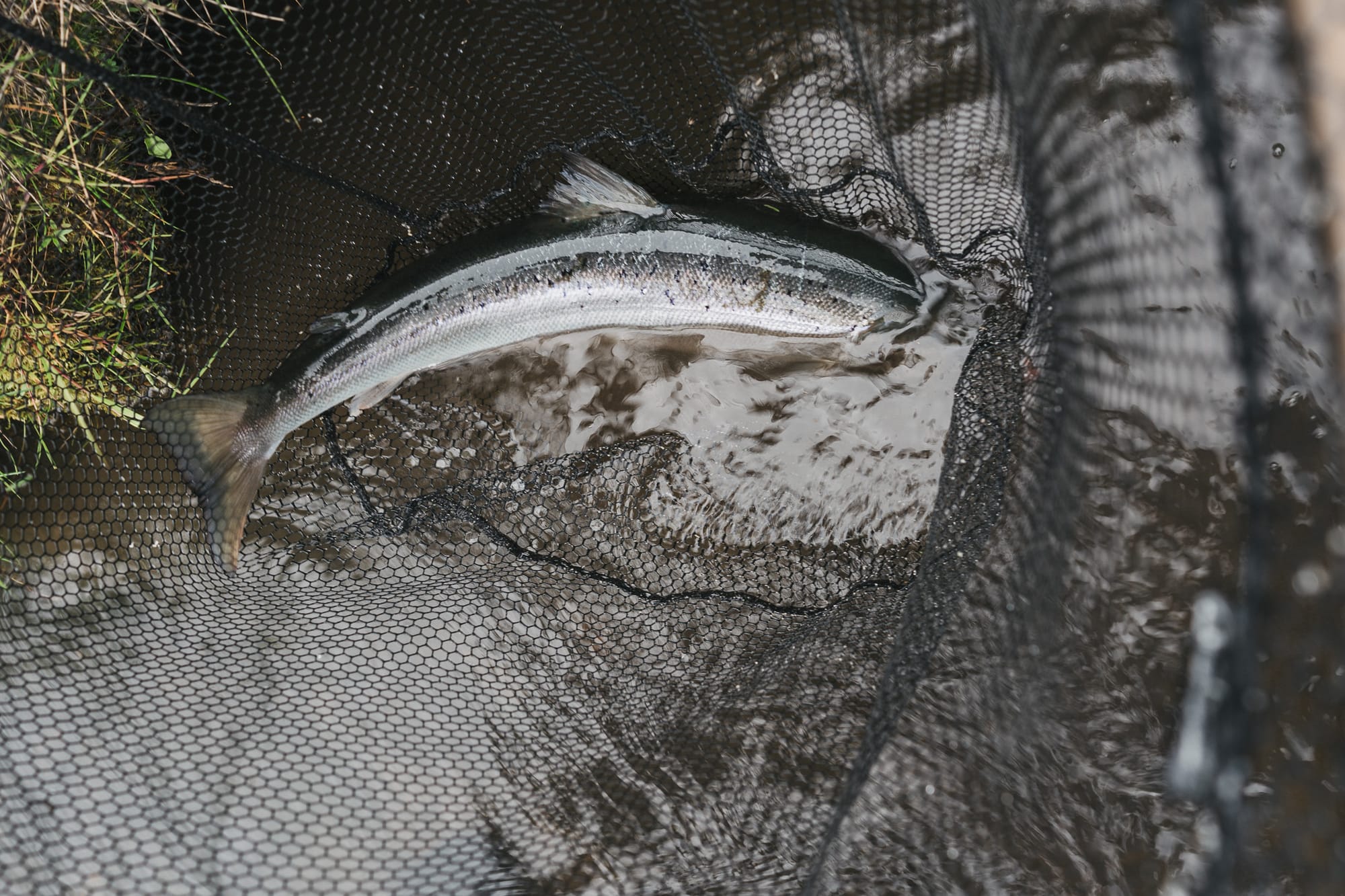
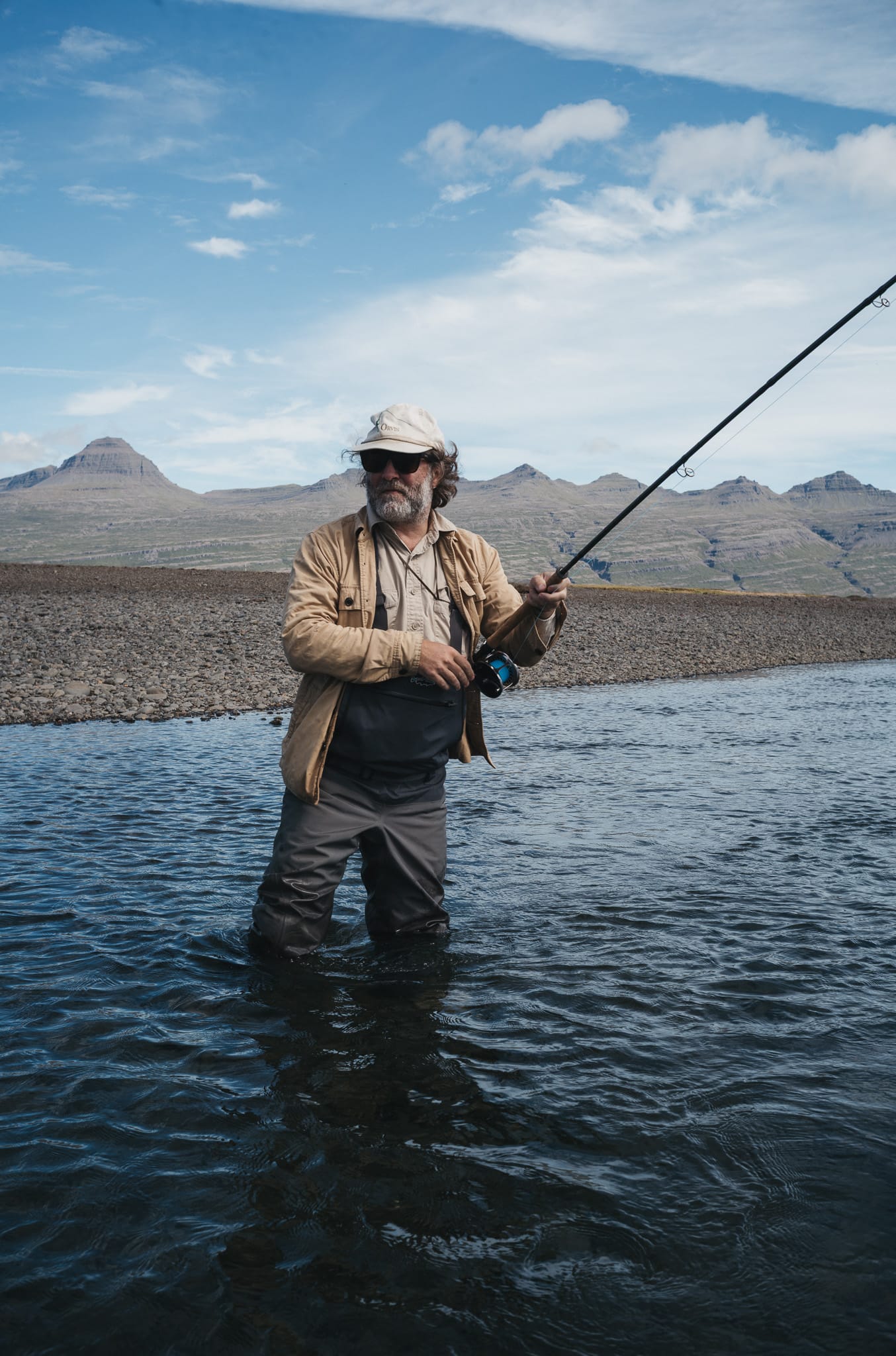
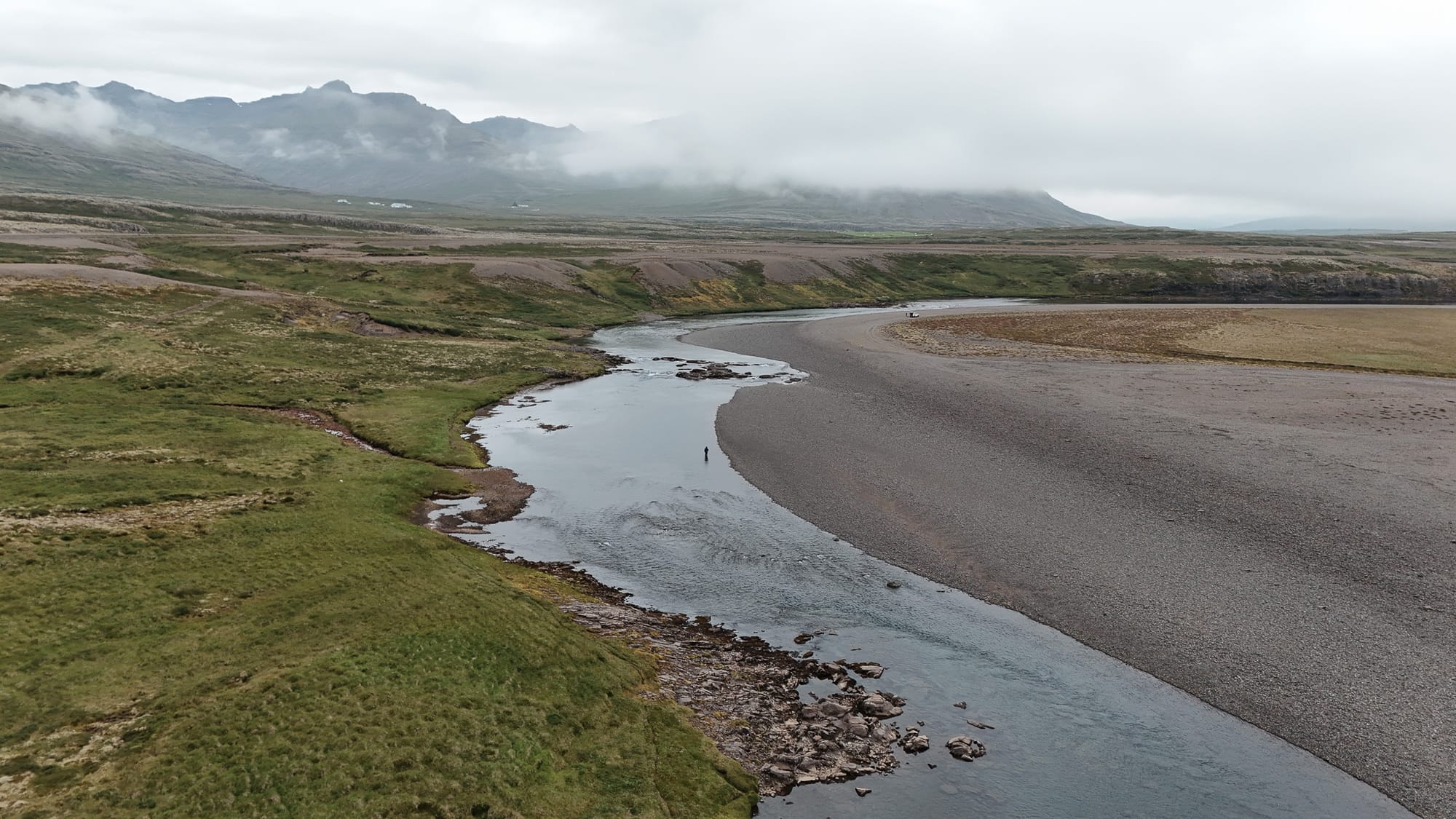
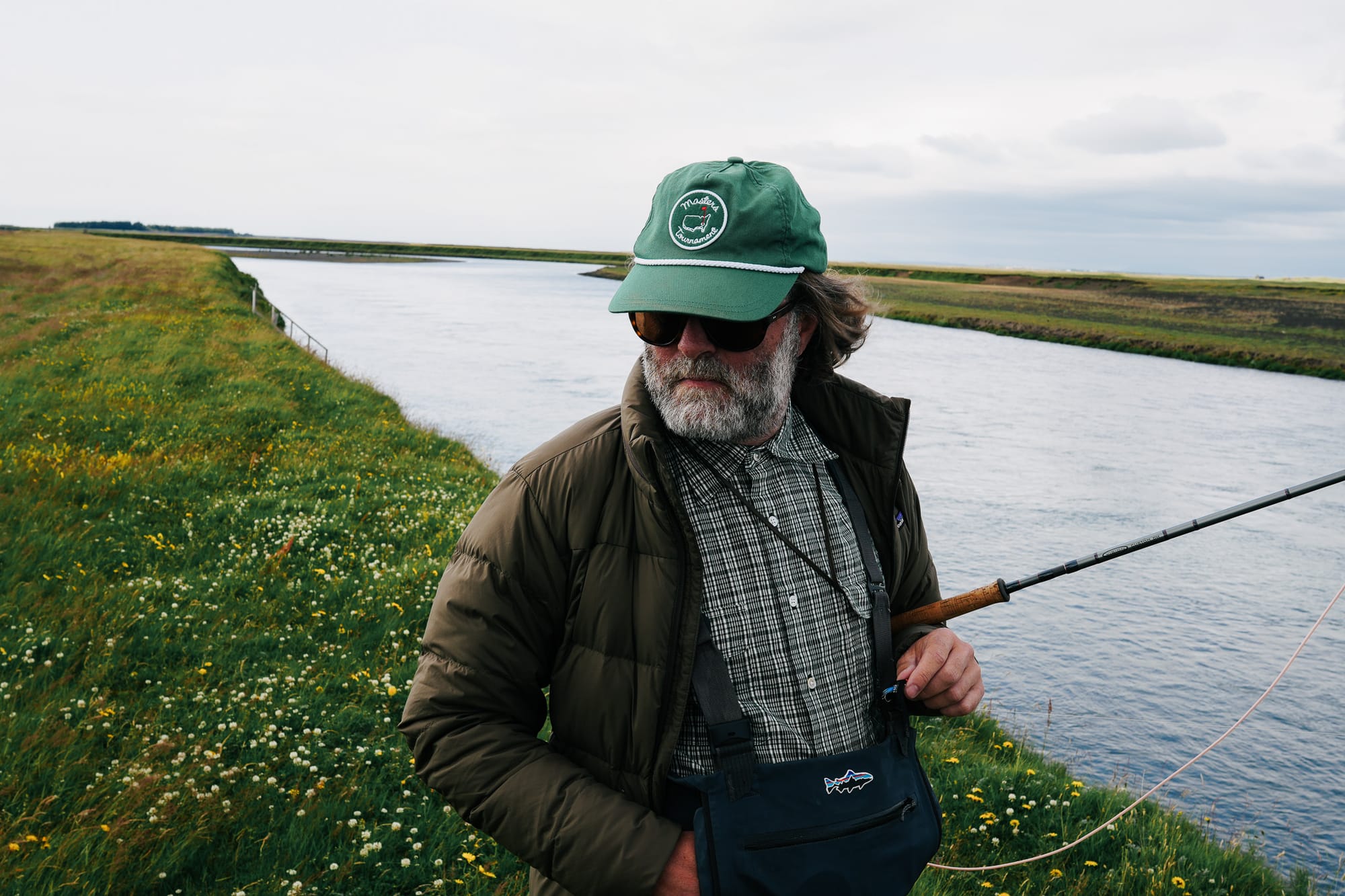
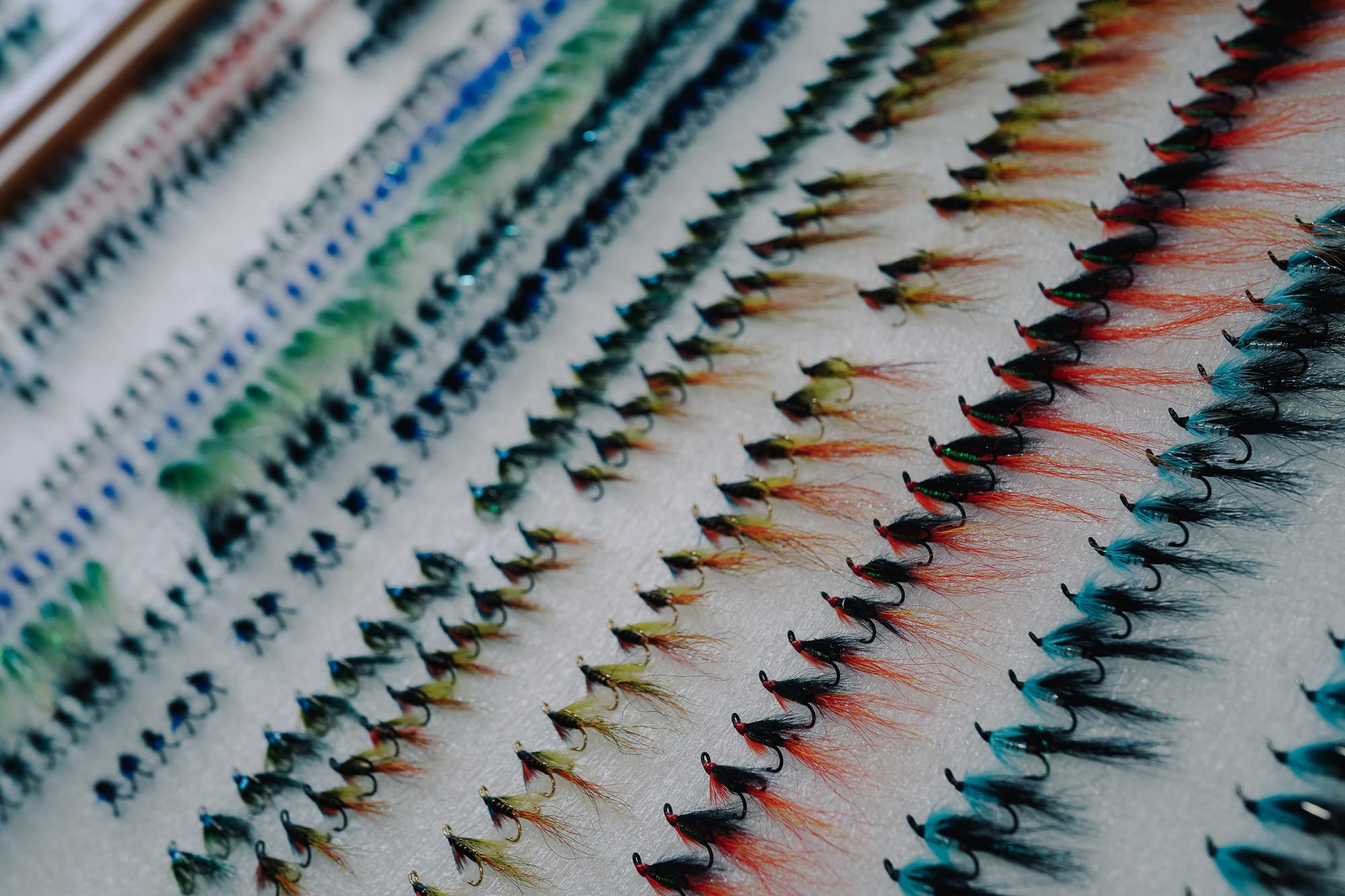
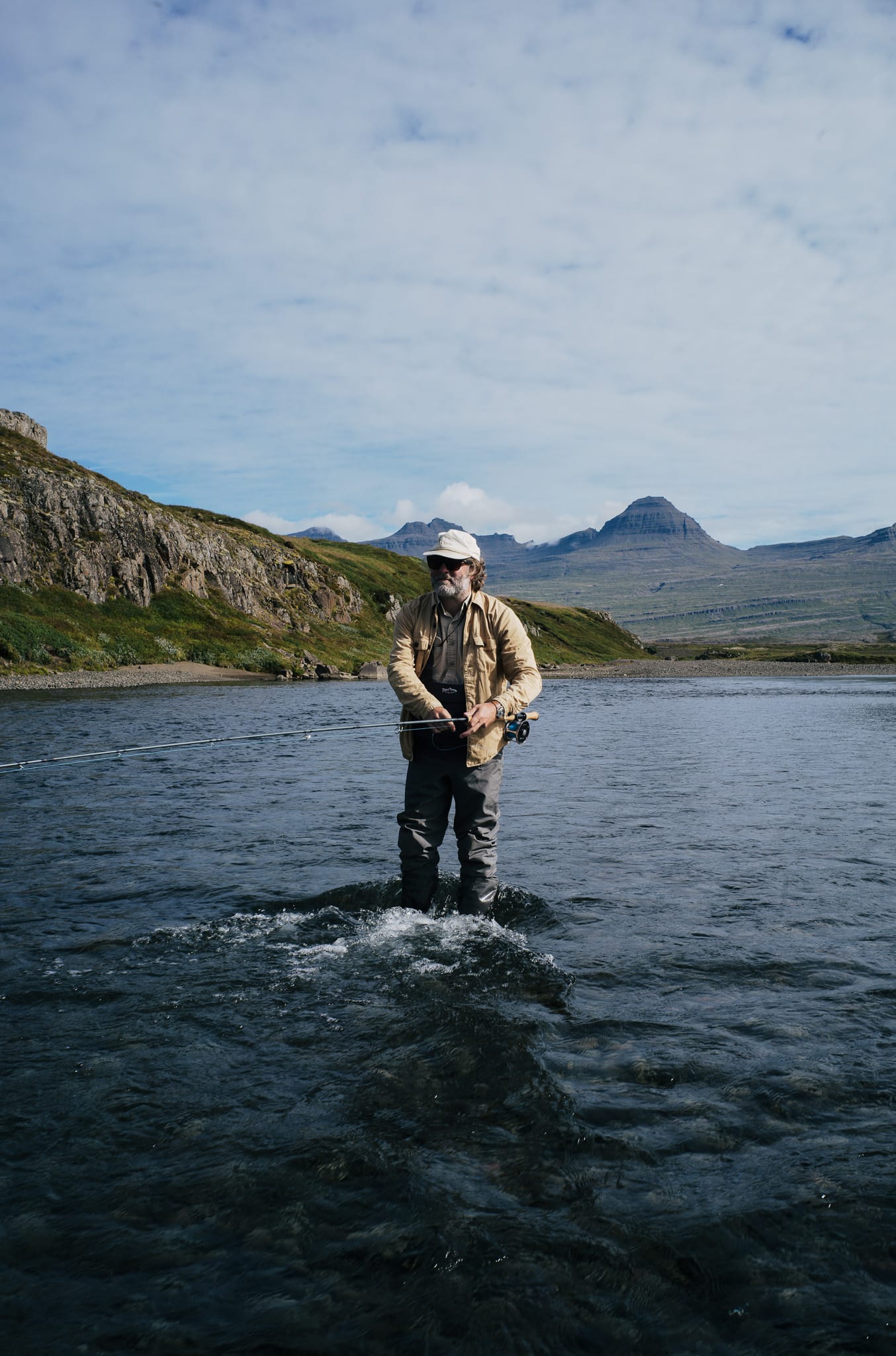
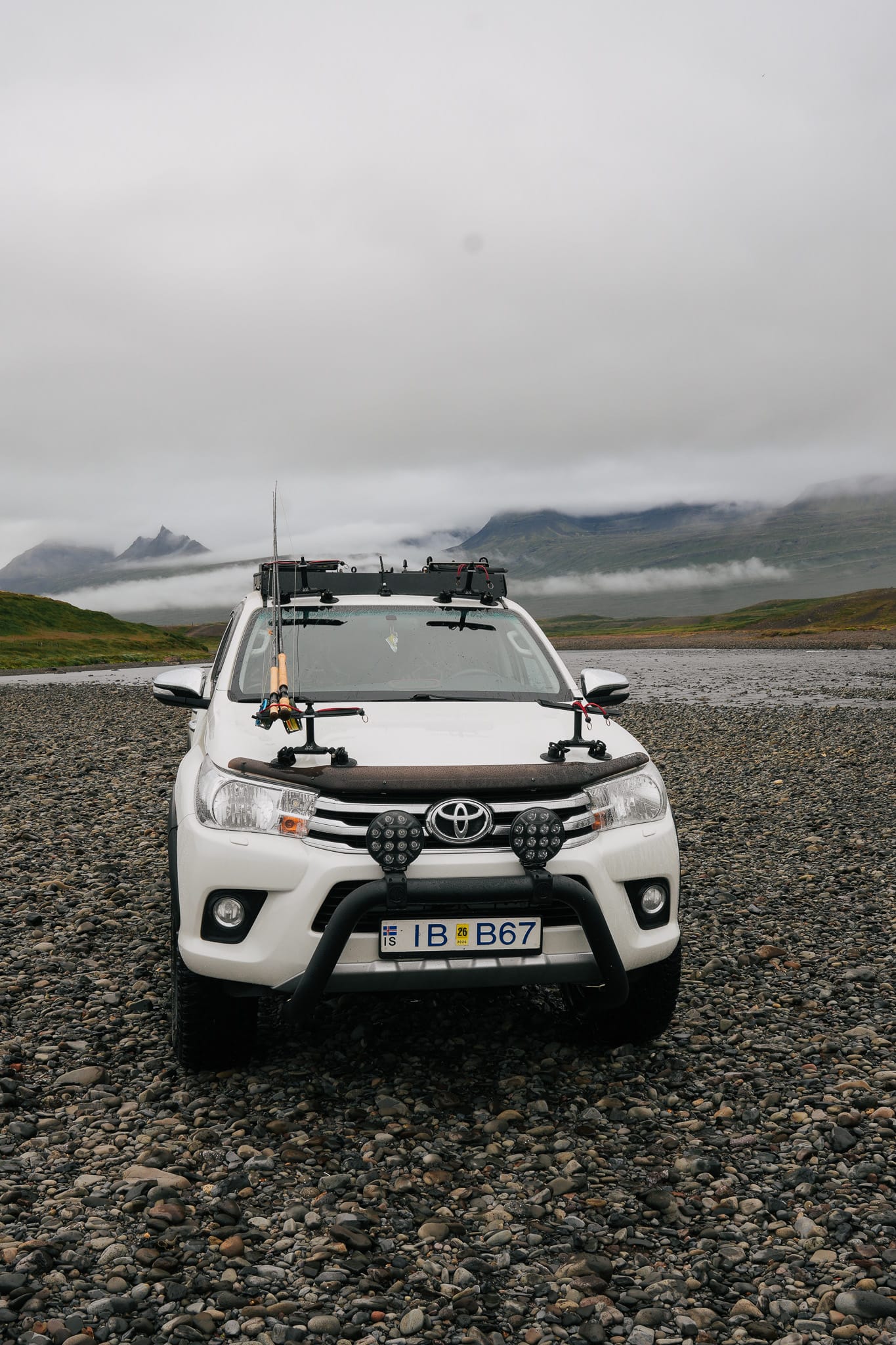
Iceland is getting a lot of attention as a golf destination. I went there to fish for the prized Atlantic Salmon, and do you know what the perfect thing to carry your two-handed rods? Your golf bag, of course. I was there to photograph my friend David Coggins for The Atlantic Salmon Journal. Our agenda was primarily to fish in two rivers on opposite ends of the island, the remote Breiddalsá and the more well-known East Ranga.
I was loaded up with fishing kit and a ton of photo gear, so my golf plans were loose. I did have my clubs and thought just maybe I'd get a round in somewhere along the way.
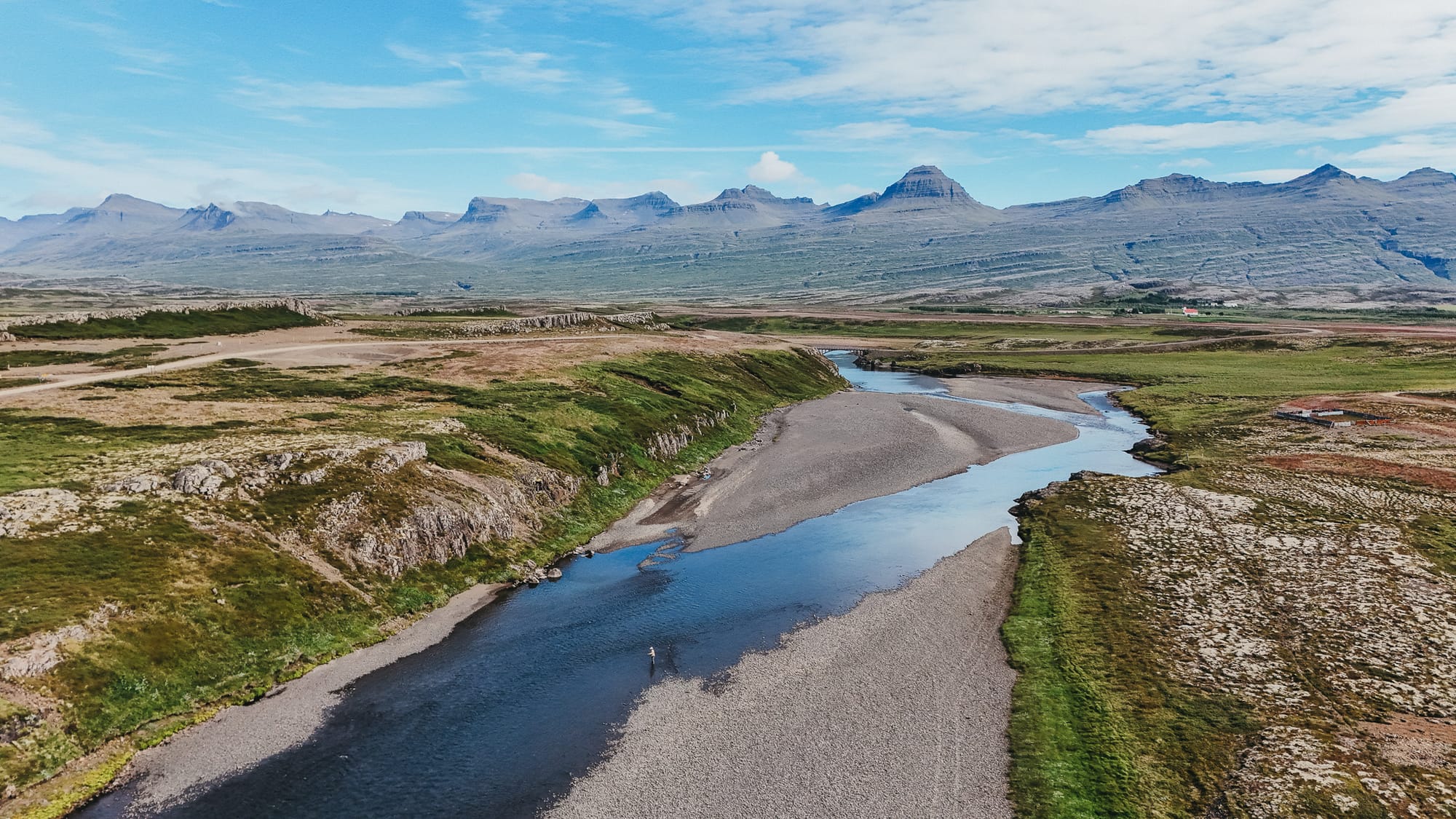
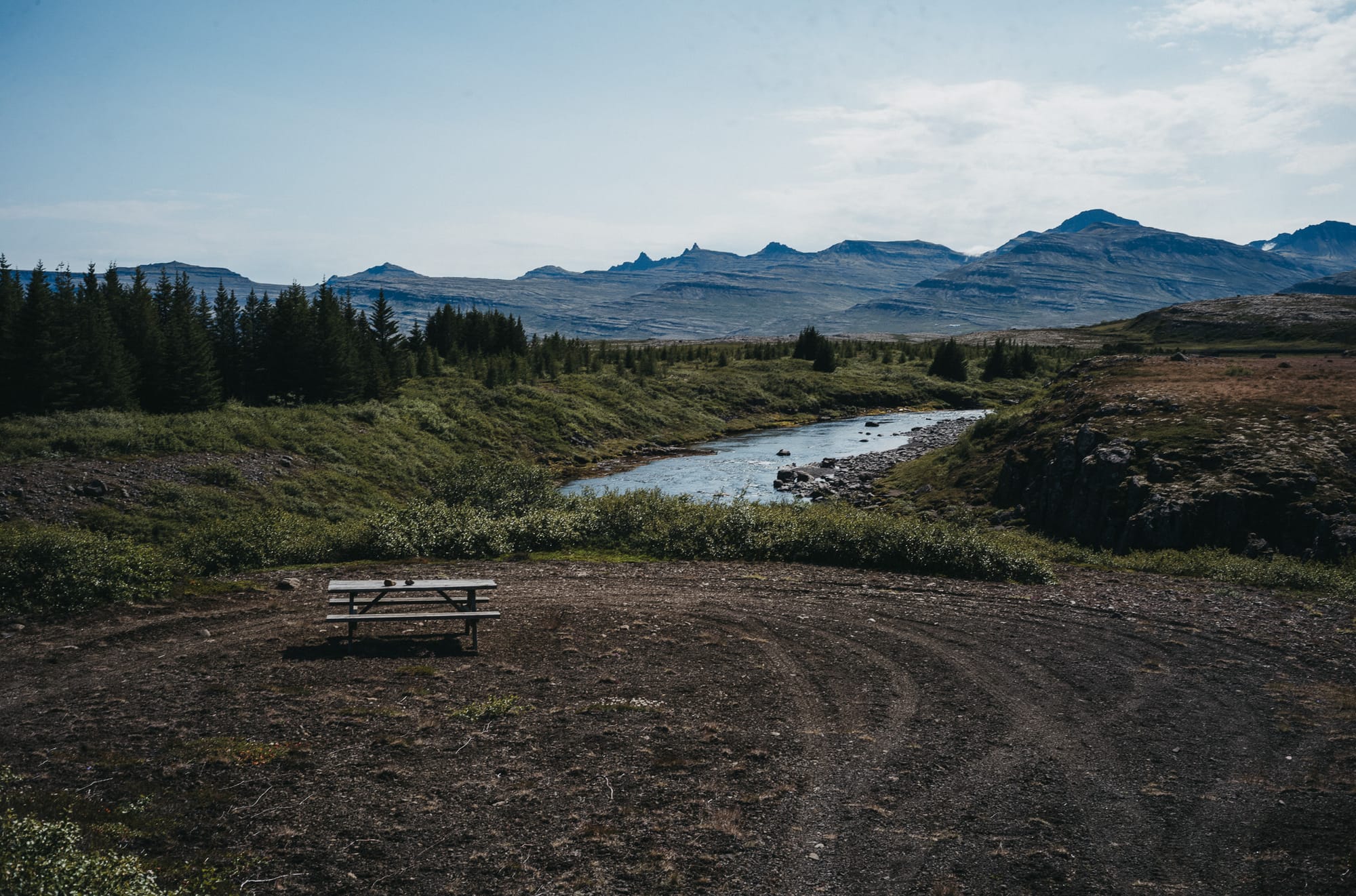
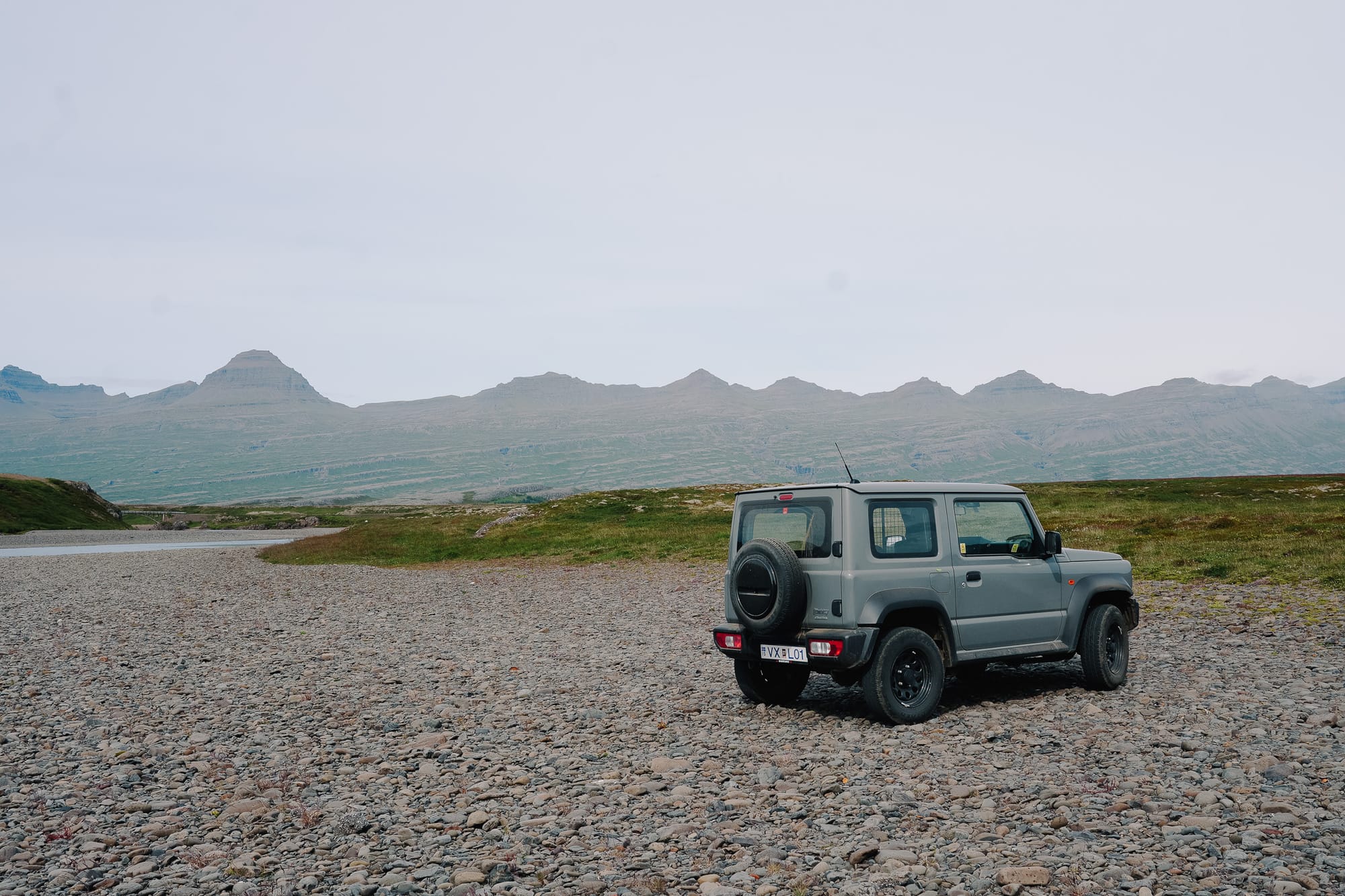
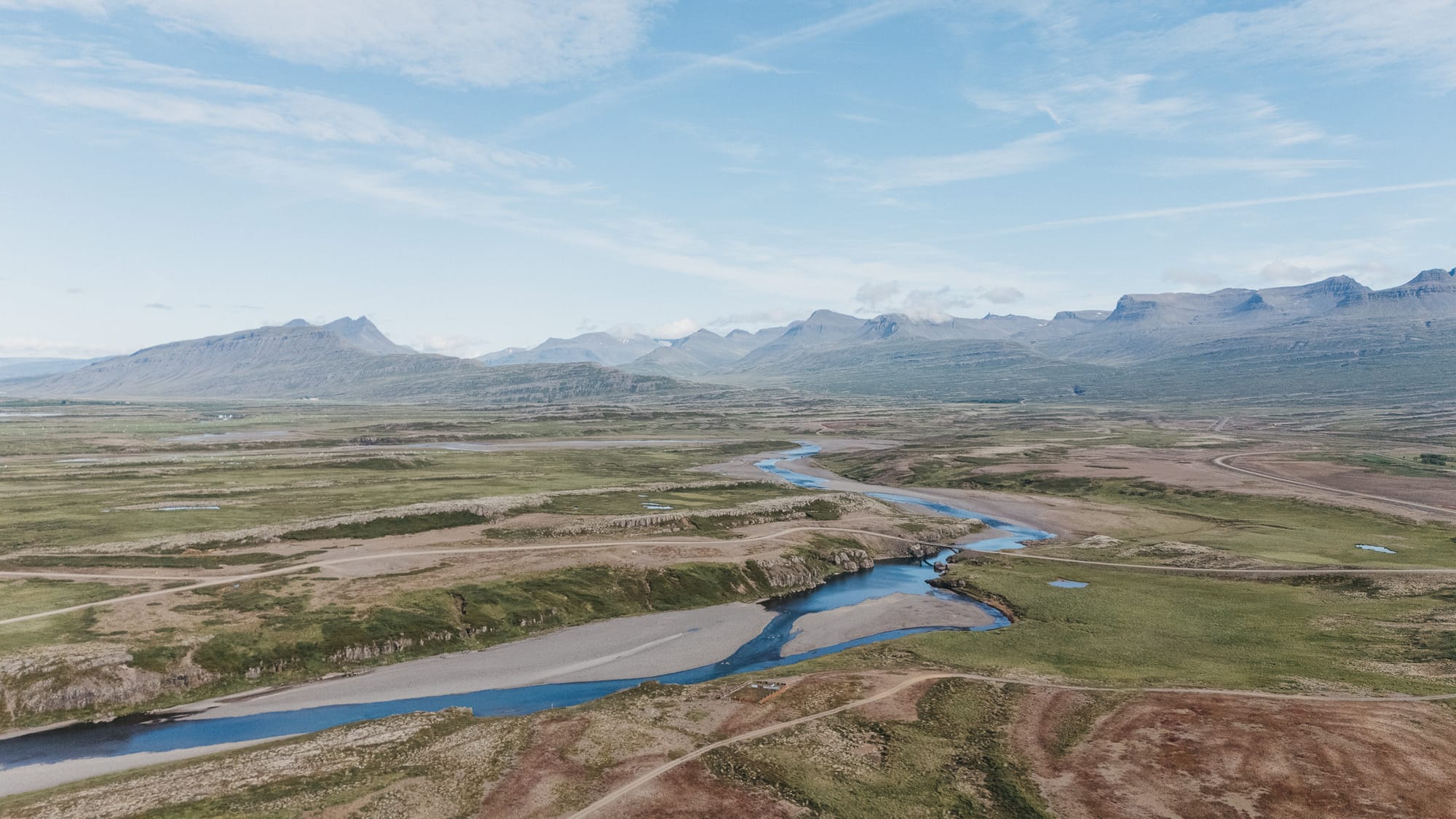
We drove for hours to the east side of the island. There was one lunch place and a hotel that served dinner so long as you arrived early enough. It was remote but beautiful and filled with incredible mountains and views that the Icelandic people are so used to they probably don't care. We stayed in a simple lodge there and fished for a few days before making our way back toward Reykjavik.
Our second lodge was on the East Ranga River. When we arrived, the weather turned. Turned in a good way. Seventy-five degrees, blue sky, unseasonably warm — the kind of day that apparently doesn't happen much in Iceland, judging by everyone's glee. We'd already seen what a typical summer there usually looks like: cold, rainy, windy, the kind of conditions that feel like October on the East Coast. But this day was something unexpected.
The problem (for the fishing) was the glacier. When it's warm and sunny, the glacier upstream melts and clouds the river. We arrived at the lodge and were told immediately: no fishing today. The river was blown out. Make yourselves occupied with something else.
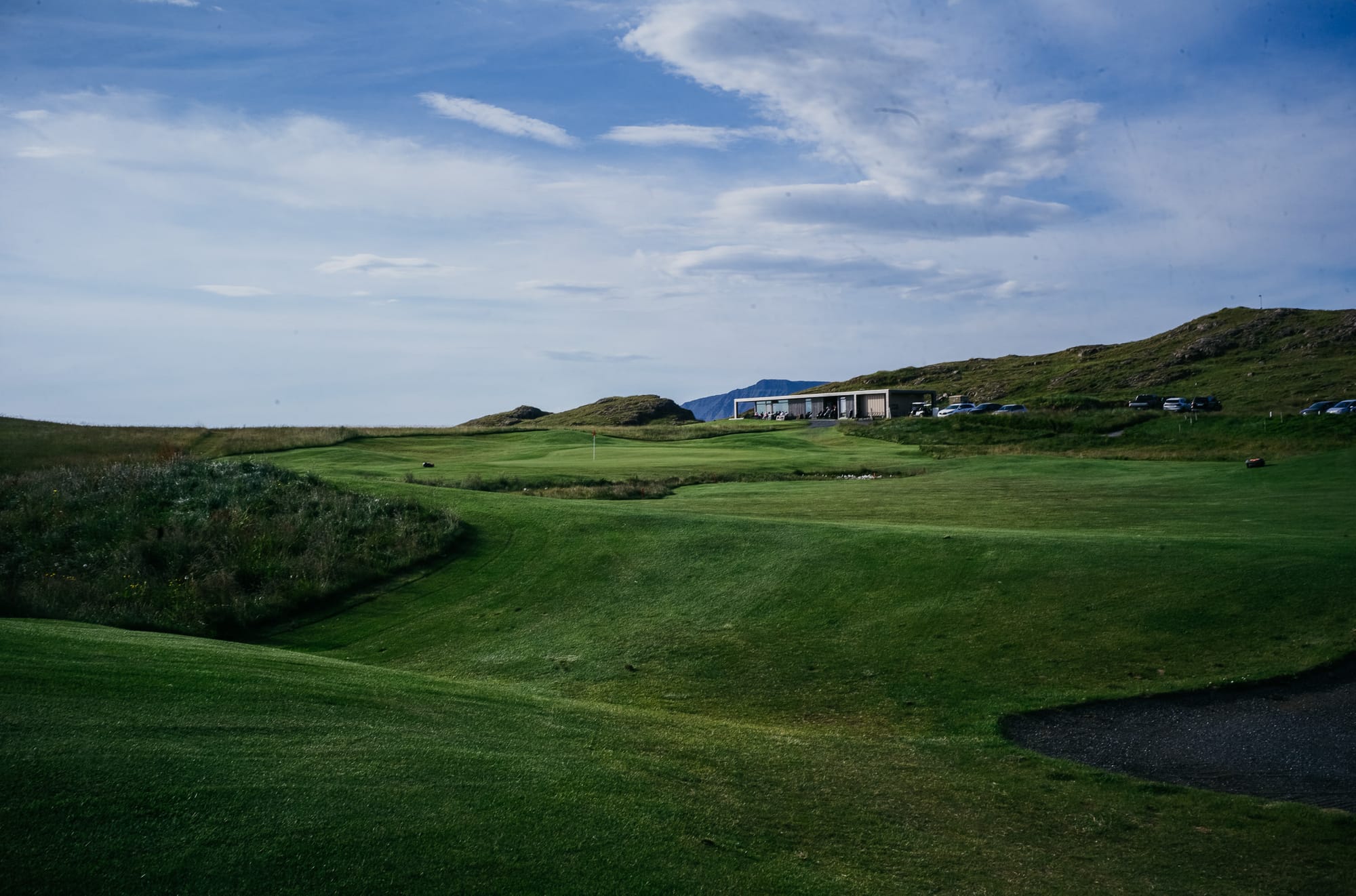
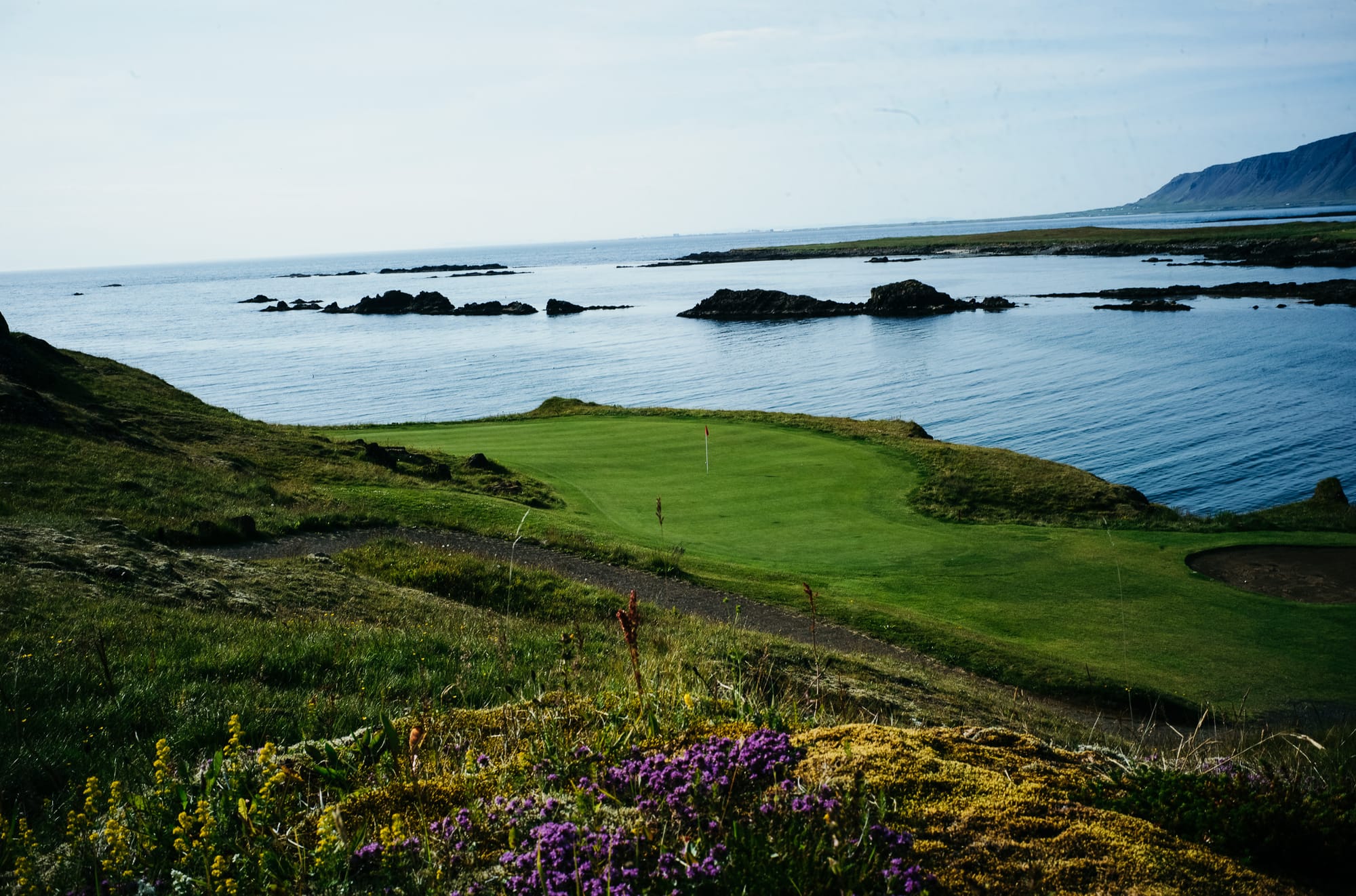
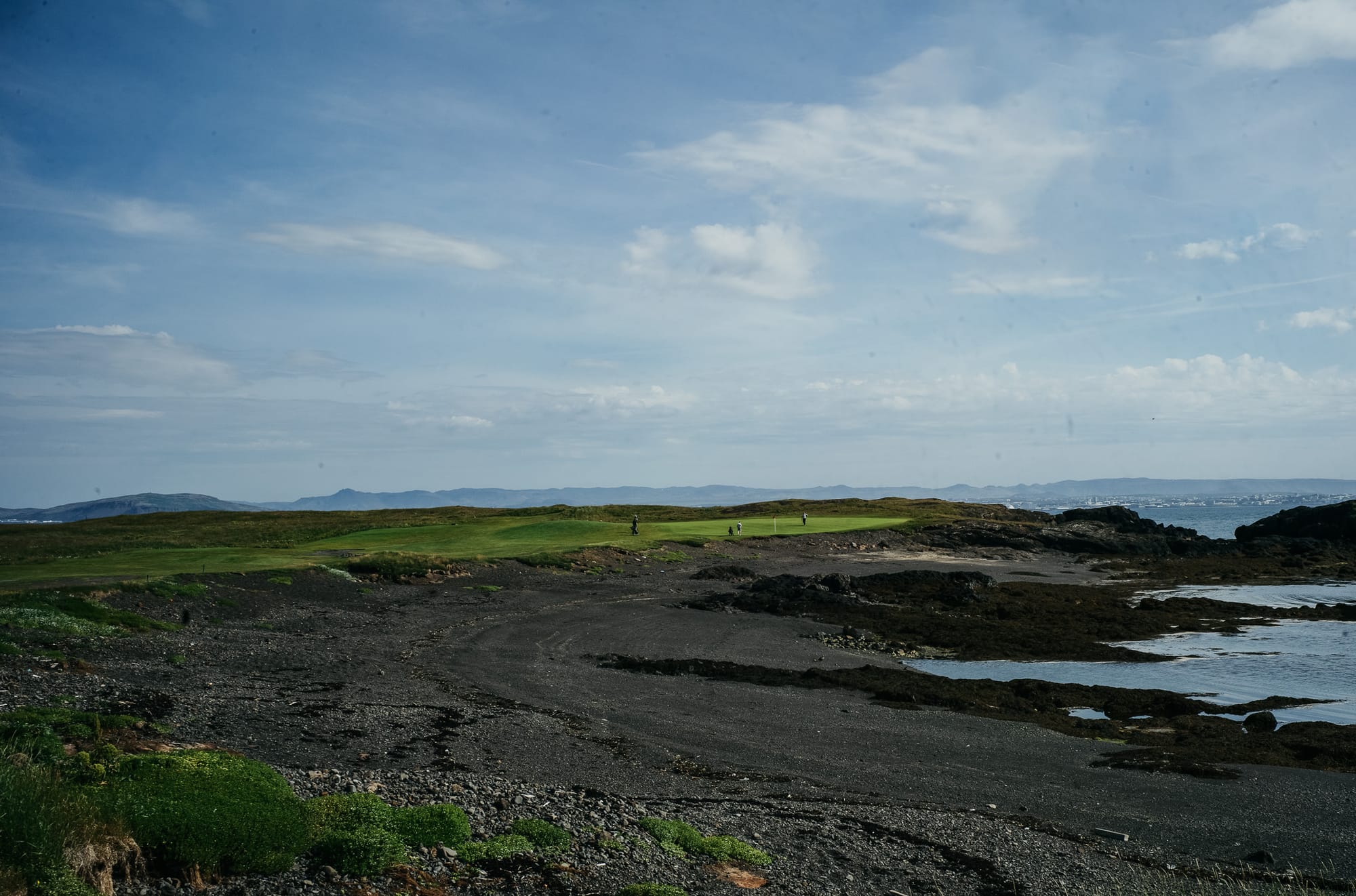
So David and I drove the 90 mins back to Reykjavik. I dropped him in the city, threw my clubs together, and drove out to Brautarholt without a tee time. I put my shoes on in the parking lot, walked up to the pro shop knowing nobody, and was on the first tee within thirty minutes. I was paired with two nice local ladies. They were overjoyed with the weather and lack of wind (which helped our scores). We walked and played the original twelve holes. The six new ones had just been finished and were doing preview play that week, but they weren't quite open yet. I missed them by about a week, but 12 was more than enough. When I walked back by the clubhouse, everyone was sitting outside soaking up the sun and drinking cold Icelandic beers. It was a memorable end to a gift of a day.
I was there for the salmon, so getting in any golf and seeing that incredible course felt like I was playing with house money. Someone once told me that surfers play golf because when there are no waves, you need a backup. That day I understood exactly what they meant.
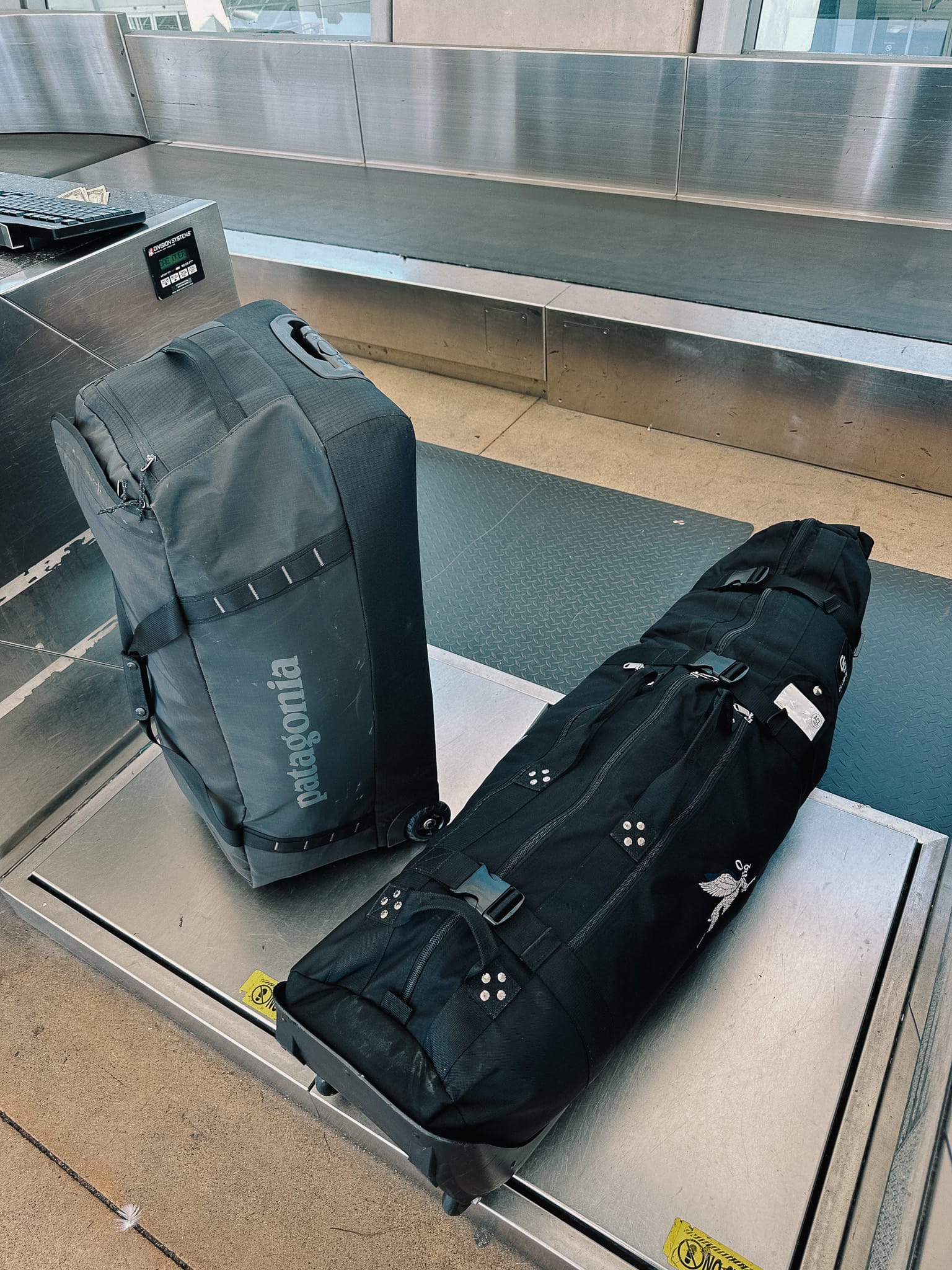
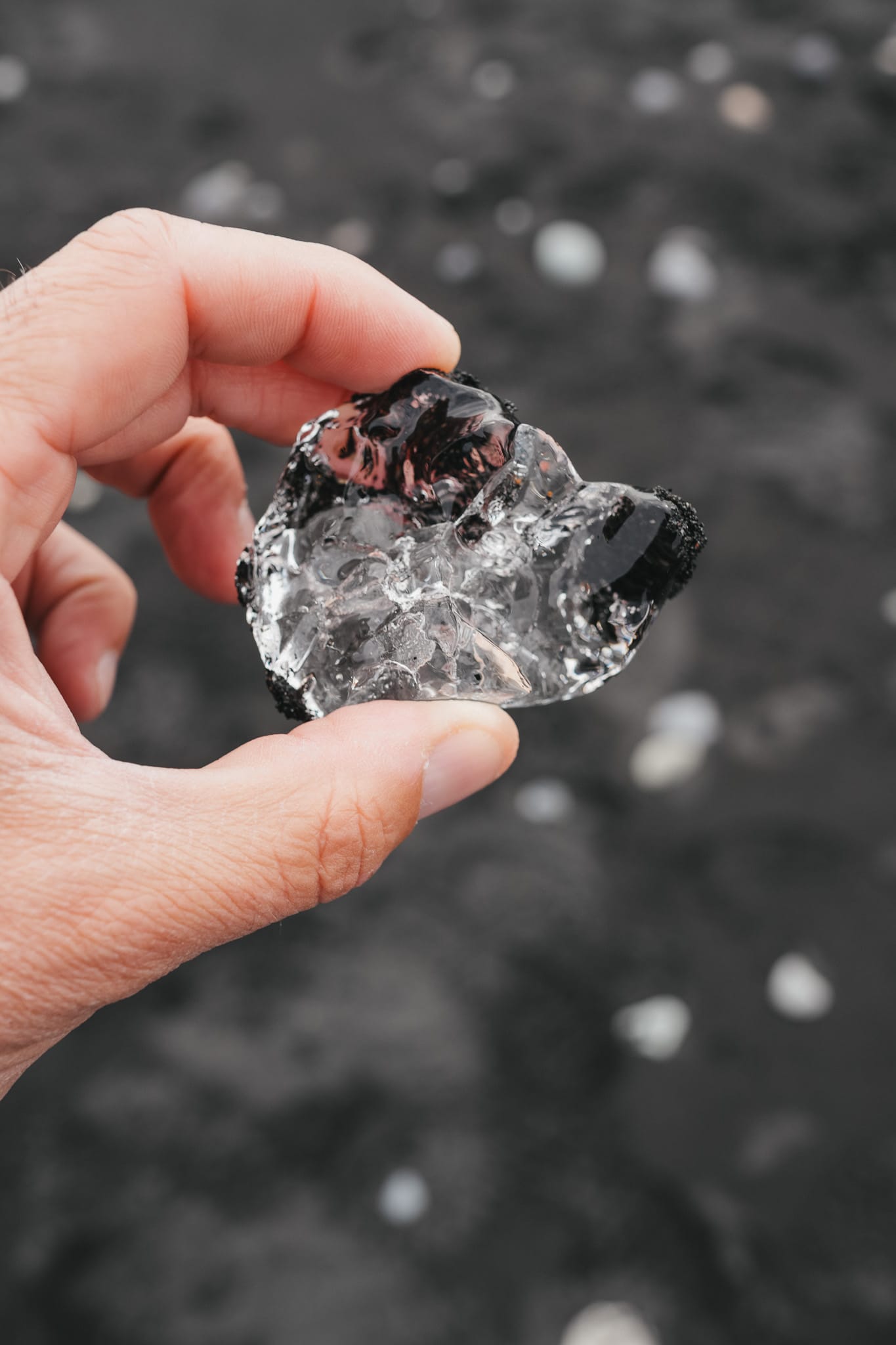
My kit and a piece of glacier at Diamond Beach near Jökulsárlón glacier lagoon.
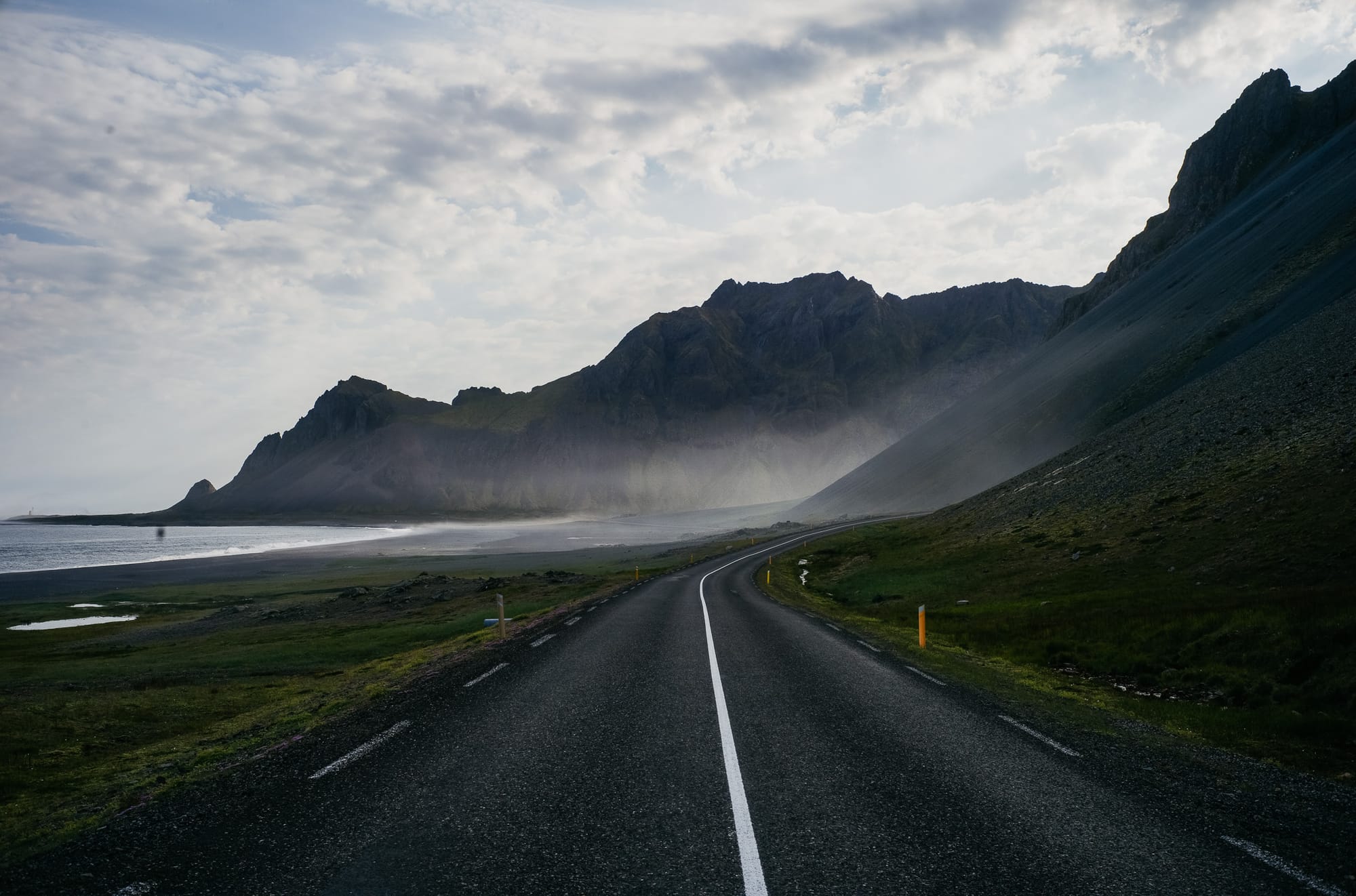

With 65 golf courses for a population of roughly 350,000 people, Iceland is the most golf-dense country per capita. Brautarholt was a 12-hole course until last summer, when the final six holes were built, and the course was tweaked slightly to become a full 18-hole offering. The views are stunning and the layout is interesting. It's a great course and the jewel of Icelandic golf.
Three Other Icelandic Golf Courses to Consider:
Golfklúbbur Vestmannaeyja. Located on the Westman Islands, a 40-minute ferry from the mainland. Holes run either toward the water or up toward a volcano. There is no course quite like it anywhere. Worth the ferry.
Grafarholt Golf Course. The oldest 18-hole course in Iceland, opened 1963. No two holes are alike. A rare combination of lava fields and heather— which is something it only feels like Iceland could offer. This is Iceland's premier championship venue.
Keilir Golf Club. Fifteen minutes from downtown Reykjavik, with a links-like front nine routing through ancient lava flows along the water before turning onto a peninsula for the back nine. Clifftop holes, blind shots, wind. One of the most played courses in the country.
