
There are endless types of pints, each carrying its own unique atmosphere and meaning. Sharing a pint with coworkers after a big presentation brings a sense of accomplishment and camaraderie. During the holidays, having a pint with old friends in your hometown stirs up warm nostalgia. An airport pint, no matter the hour, offers a fleeting sense of freedom. After a sunny round of golf, that first cold sip is pure celebration, well earned.
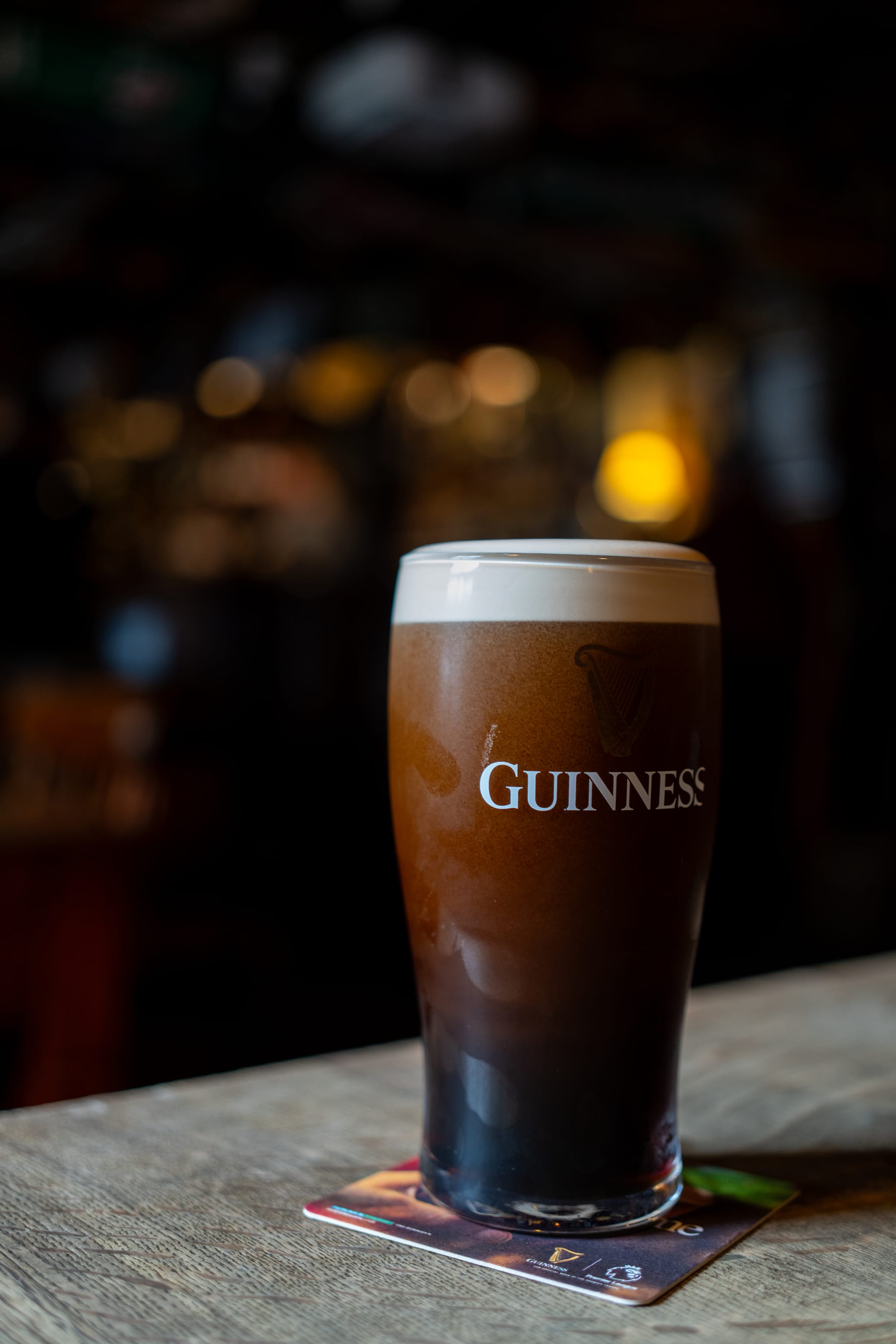
All these moments share a subtle yet unmistakable feeling: when the pour is just right, even the simplest pint becomes a vessel for memory, amplifying the emotions of the occasion. A well-poured pint doesn’t just fit into the experience, it lifts it higher.
But among all these memorable pints, one stands out most for me: a quiet afternoon Guinness in a small Irish pub. Tennents or Harp have their charm, and there’s a special pleasure when a Magners hits the spot or a Smithwick’s follows as the perfect second round, but for me, nothing compares to Guinness. In Ireland, Guinness truly deserves its reputation as the ‘King of Beers,’ especially when enjoyed as a pint of the black stuff in its homeland.
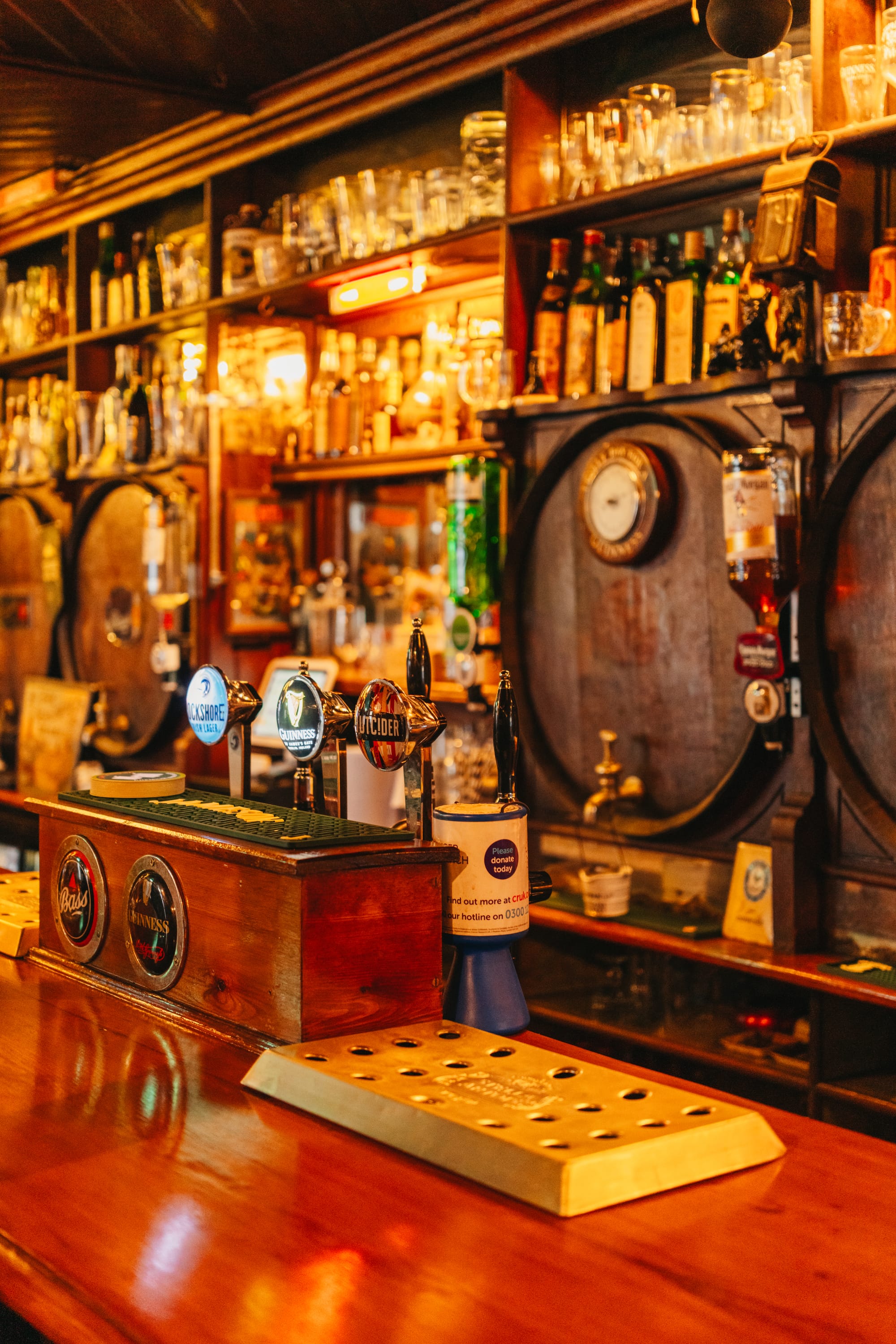
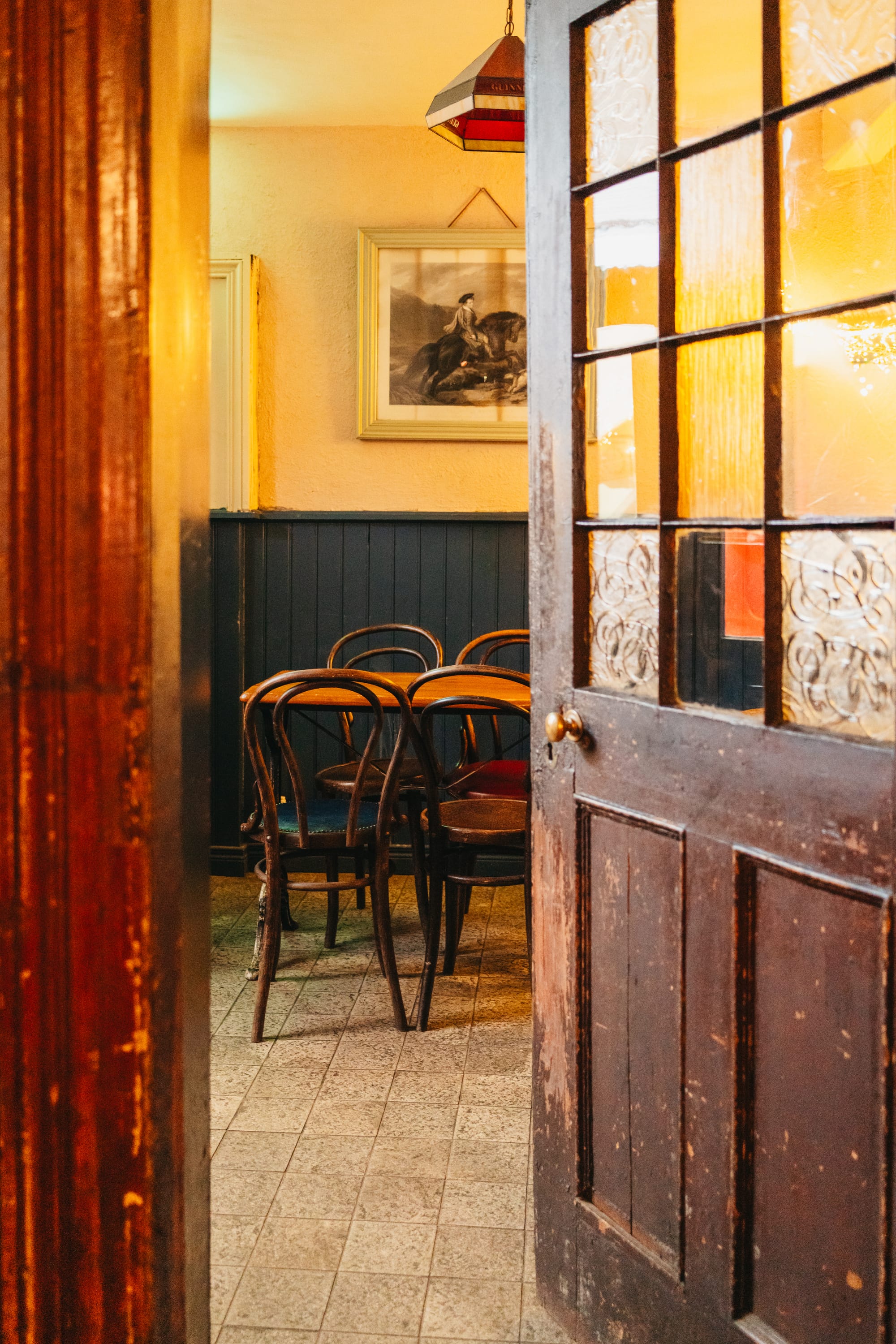
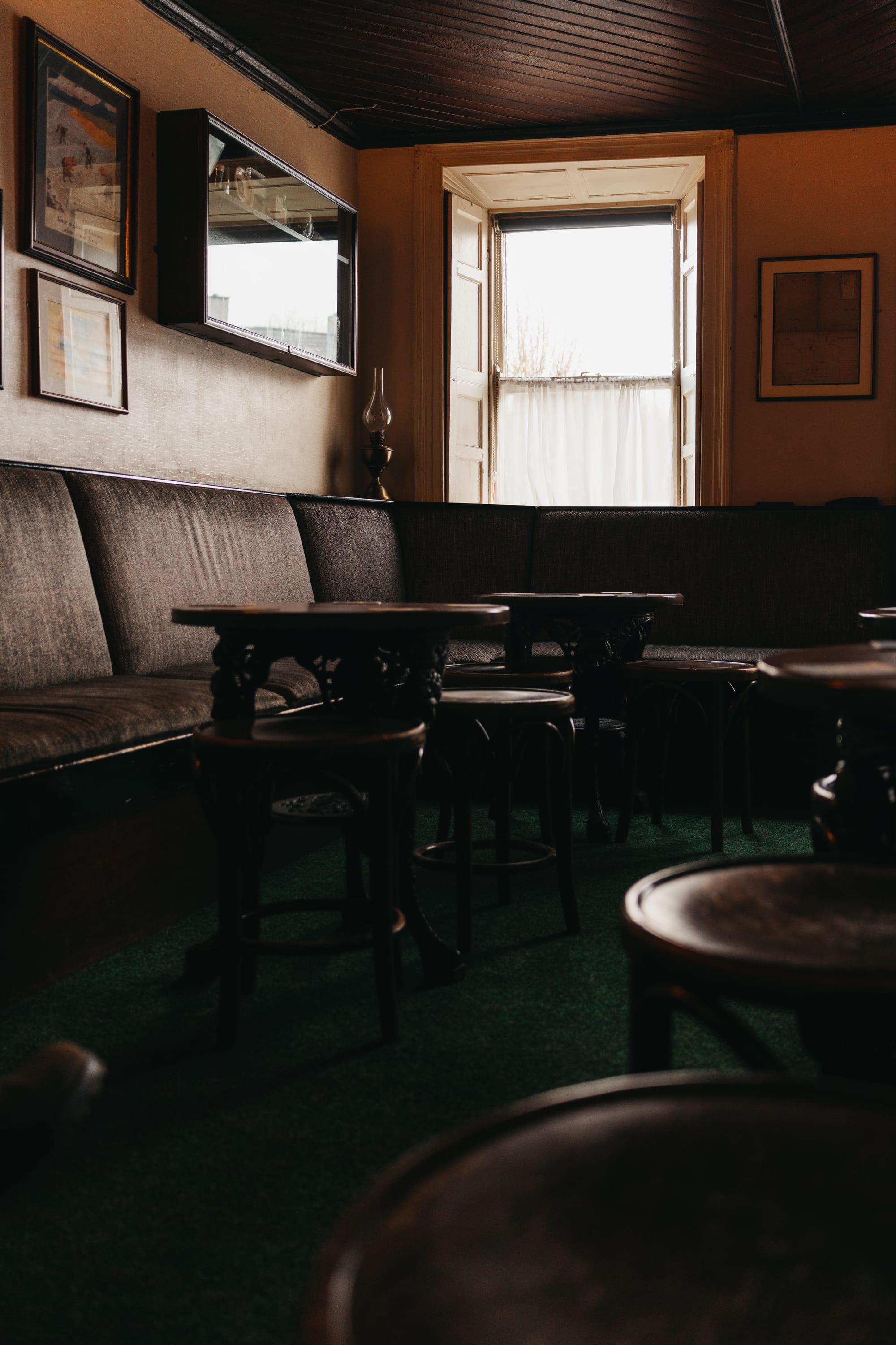
For many, the journey begins as soon as they land in Dublin. It’s almost tradition to seek out classic pubs like The Gravediggers, The Temple, or Gaffneys. These legendary spots, with their worn woodwork and skilled barmen, pour thousands of pints every day, and their reputations are well earned. Still, my idea of the perfect afternoon pint isn’t found in the city’s busiest pubs. I’m drawn instead to a quiet, well-loved room, walls rich with history and the gentle glow of a peat or coal fire, the air earthy and warm. At the bar, a small group of locals gather, their voices weaving together as they share stories told and retold, each settling into the room like a familiar melody. The hum of conversation, the fire’s warmth, and the clinking of glasses create a comforting tapestry, a reminder of how the right company and the right pint can make a simple afternoon unforgettable.
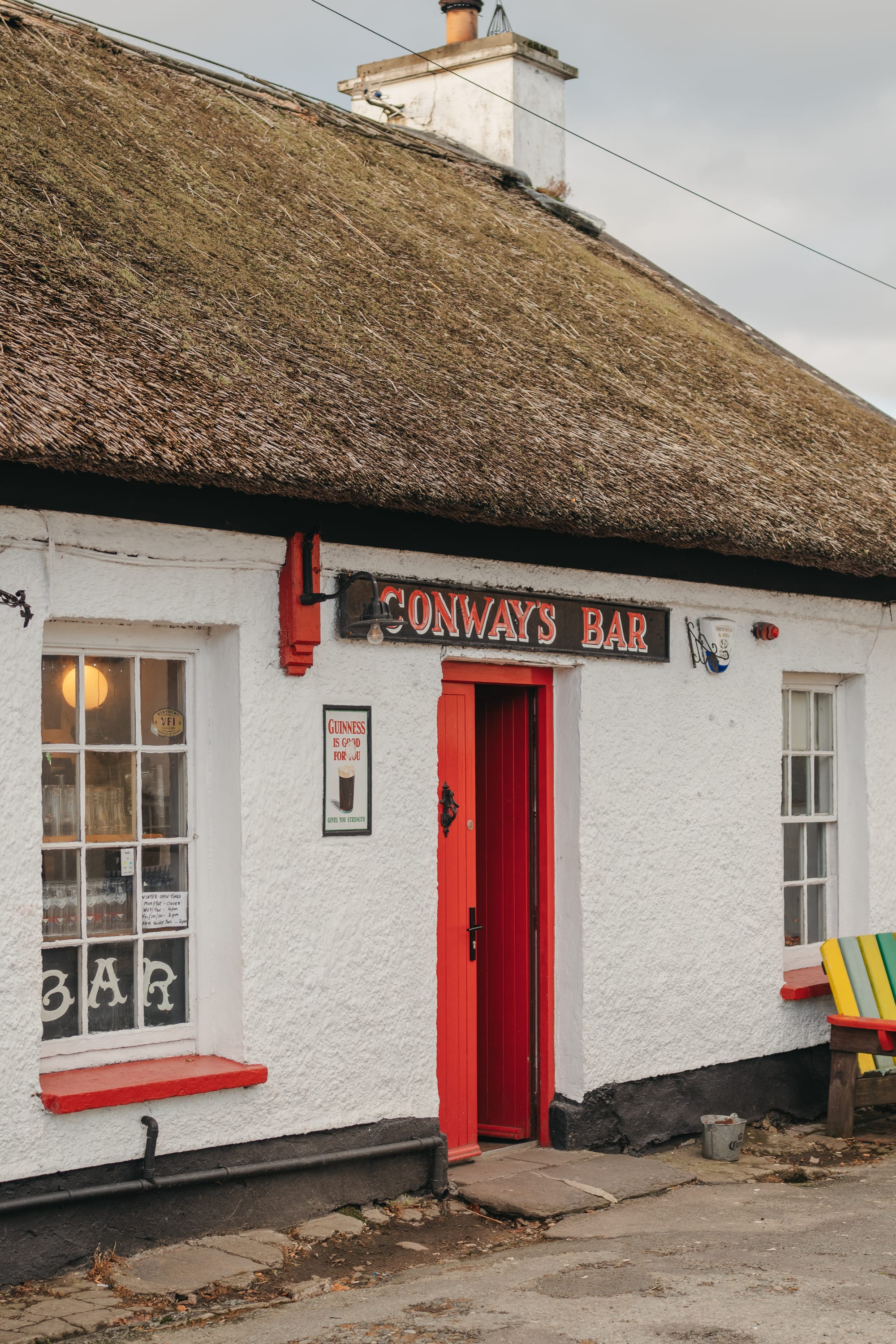
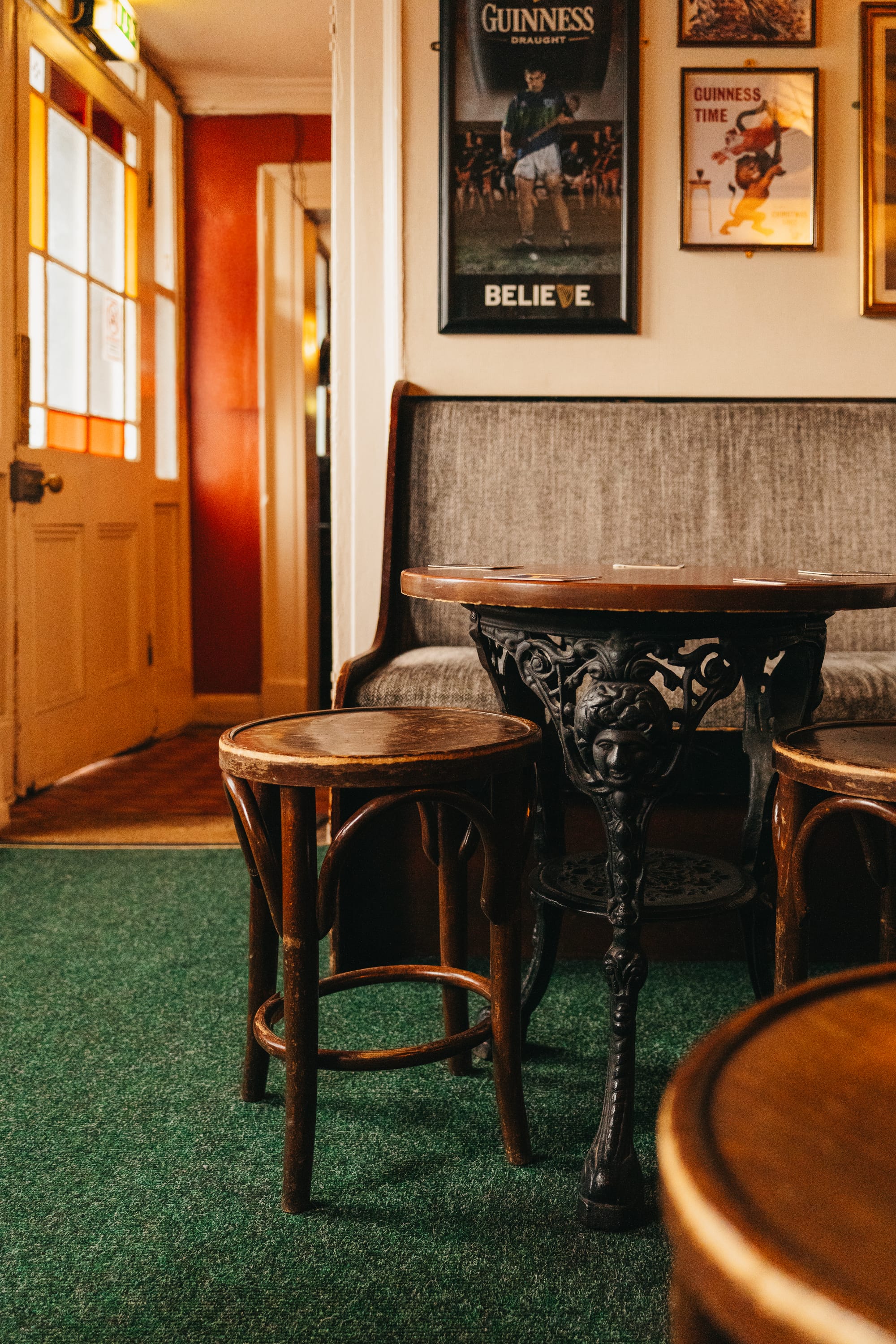
Before my first trip to Ireland, I’d already tried plenty of Guinness back home in the U.S. Friends in American bars often swore, “It’s so much better in Ireland! It’s the water! There’s just something different about it.” Their words echoed in my mind as I landed in Dublin, my anticipation building with every step. After leaving the airport, my friends and I skipped the pubs and headed straight to Royal Dublin Golf Club for an afternoon round. There’s something special about stepping onto a golf course after a long flight: stretching your legs, breathing in the salty sea air, and letting travel fatigue fade away with each swing.
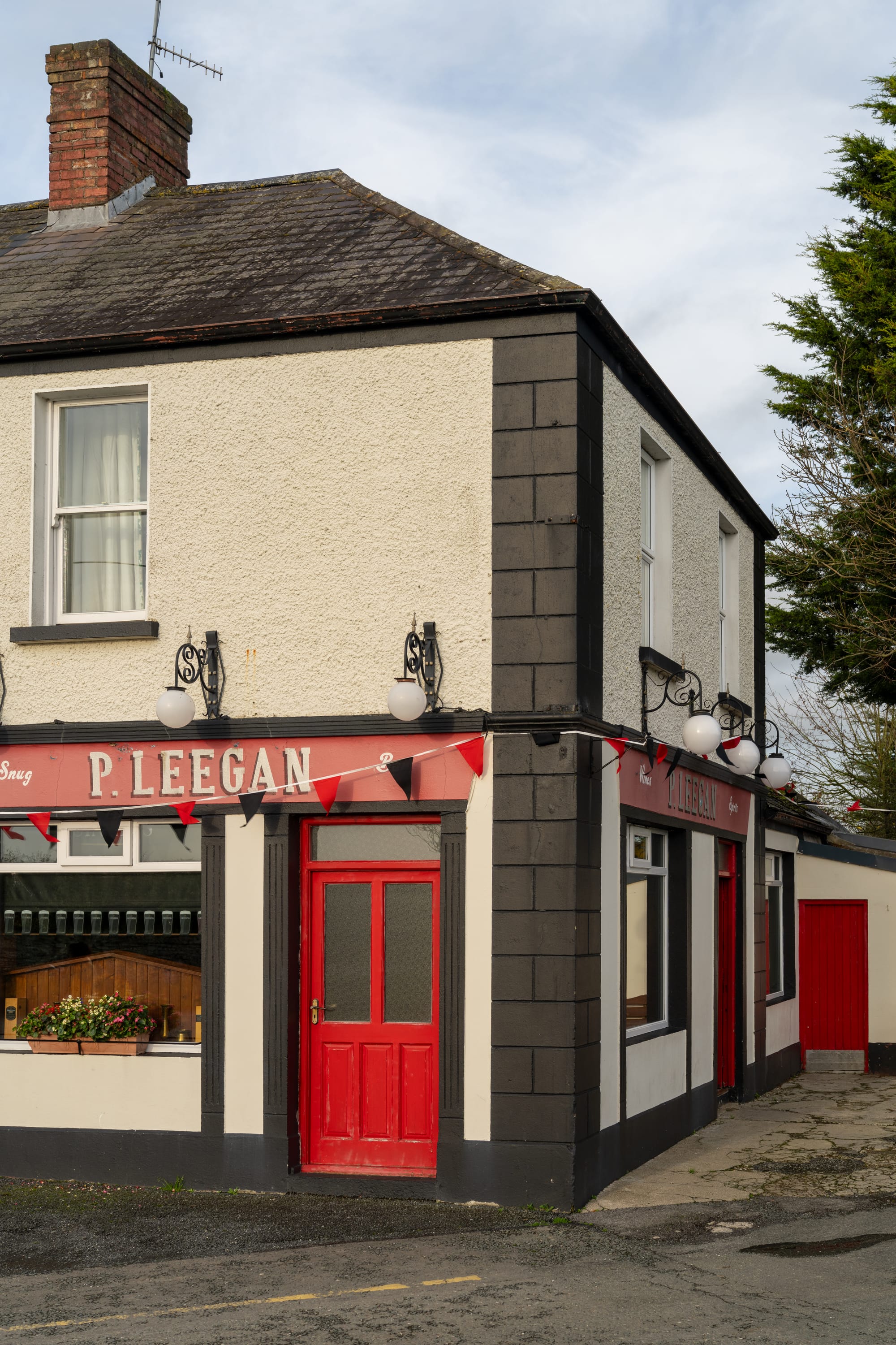
As the round finished, the clubhouse’s orange roof came into view, a beacon promising that first pint. But first, the 18th hole at Royal Dublin called for every bit of focus. The tee shot is narrow, with out-of-bounds on the right, a winding burn crossing the approach, and a stubborn pot bunker guarding the green. I found every obstacle, lost a ball, and with a sheepish grin and handshake after my seventh or eighth shot, made my way to the clubhouse like a tired explorer reaching an oasis.
I still remember that first Guinness in Ireland: sinking into a deep, orange-upholstered chair straight out of the 1970s (look them up, they’re incredible) and leaning back with a weary but satisfied smile. My score didn’t matter; I was completely present in the moment, enjoying a freshly poured Guinness that tasted smoother and richer than any I’d had before. That first sip set the tone for the adventures ahead, with each pub revealing its own story as the journey continued.
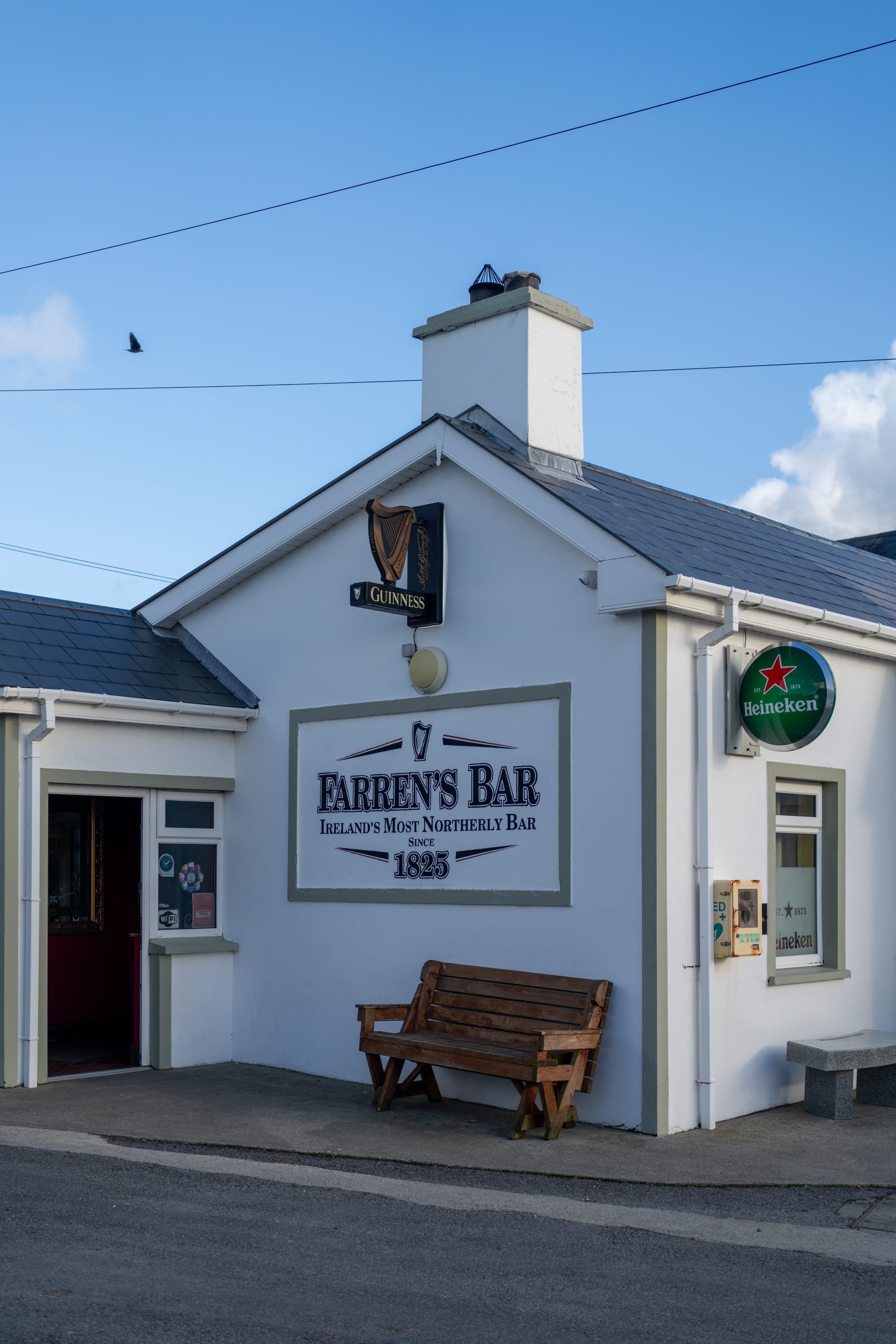
The next day brought new places: an afternoon round at Portmarnock Golf Club, then into the city for pints at The Cobblestone, where music spilled out the doors and mixed with laughter in the air. The schedule included the Guinness Storehouse, where I stood at the rooftop bar with the city spread out below and a glass in hand. Every pint, every setting, had its own flavor, not just of the drink, but of the place and the people.
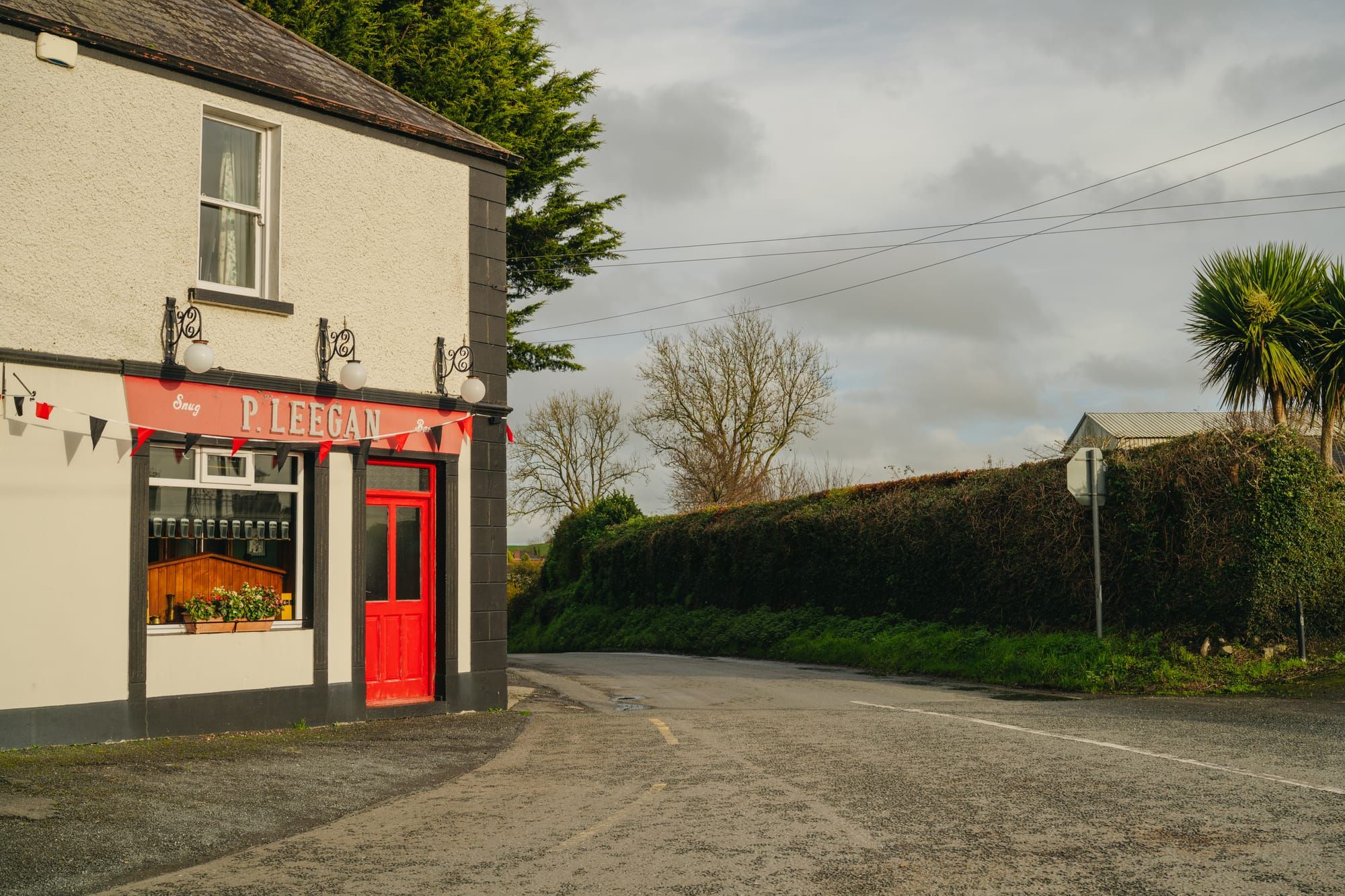
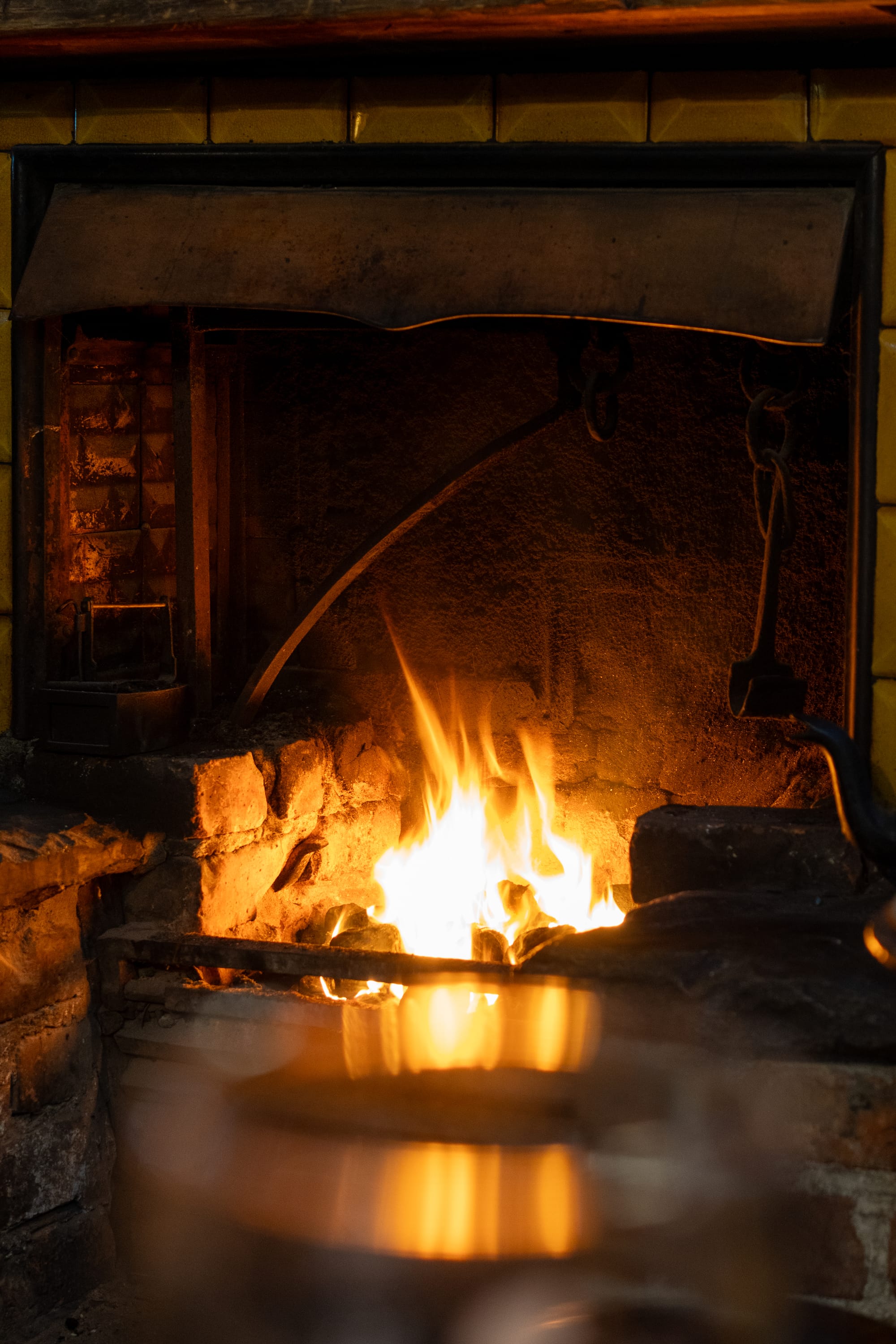
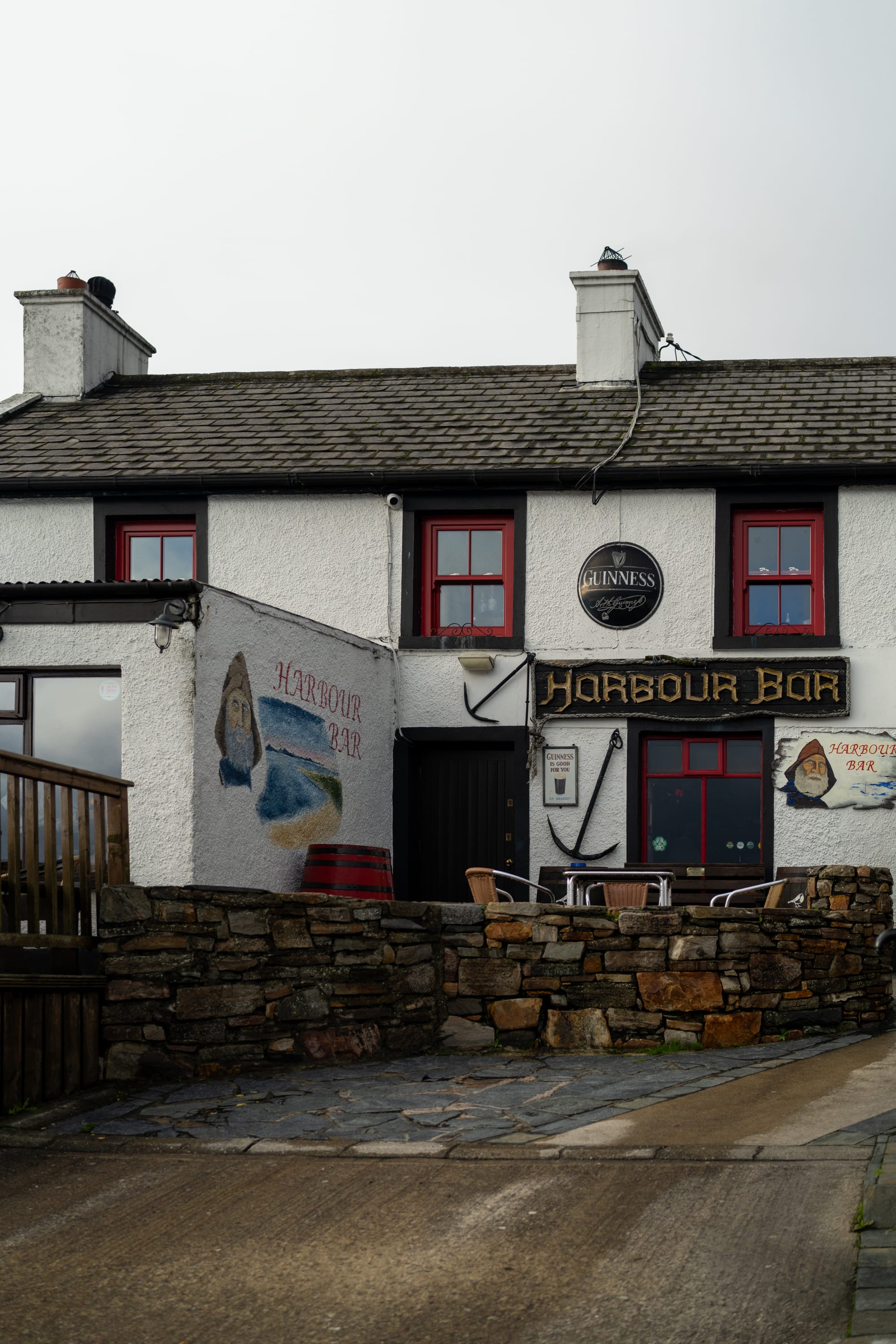
But the memory that stands out most is arriving in Downings, on Donegal’s wild west coast. I stepped into The Harbour Bar, its modest exterior opening into a cozy refuge from the blustery afternoon. Inside, the fire’s glow flickered, shadows danced on the walls, and the scent of burning peat mixed with the salty Atlantic air and the sweet promise of a pint. I settled into an old chair by the fire, feeling the tension of travel and time fading away. In that peaceful moment, I realized it wasn’t just the drink or the setting, it was the sense of belonging that made the experience unforgettable. Surrounded by the gentle buzz of local conversation and the fire’s warmth, I felt at home in a place I’d never been, connected by the simple act of sharing a pint.
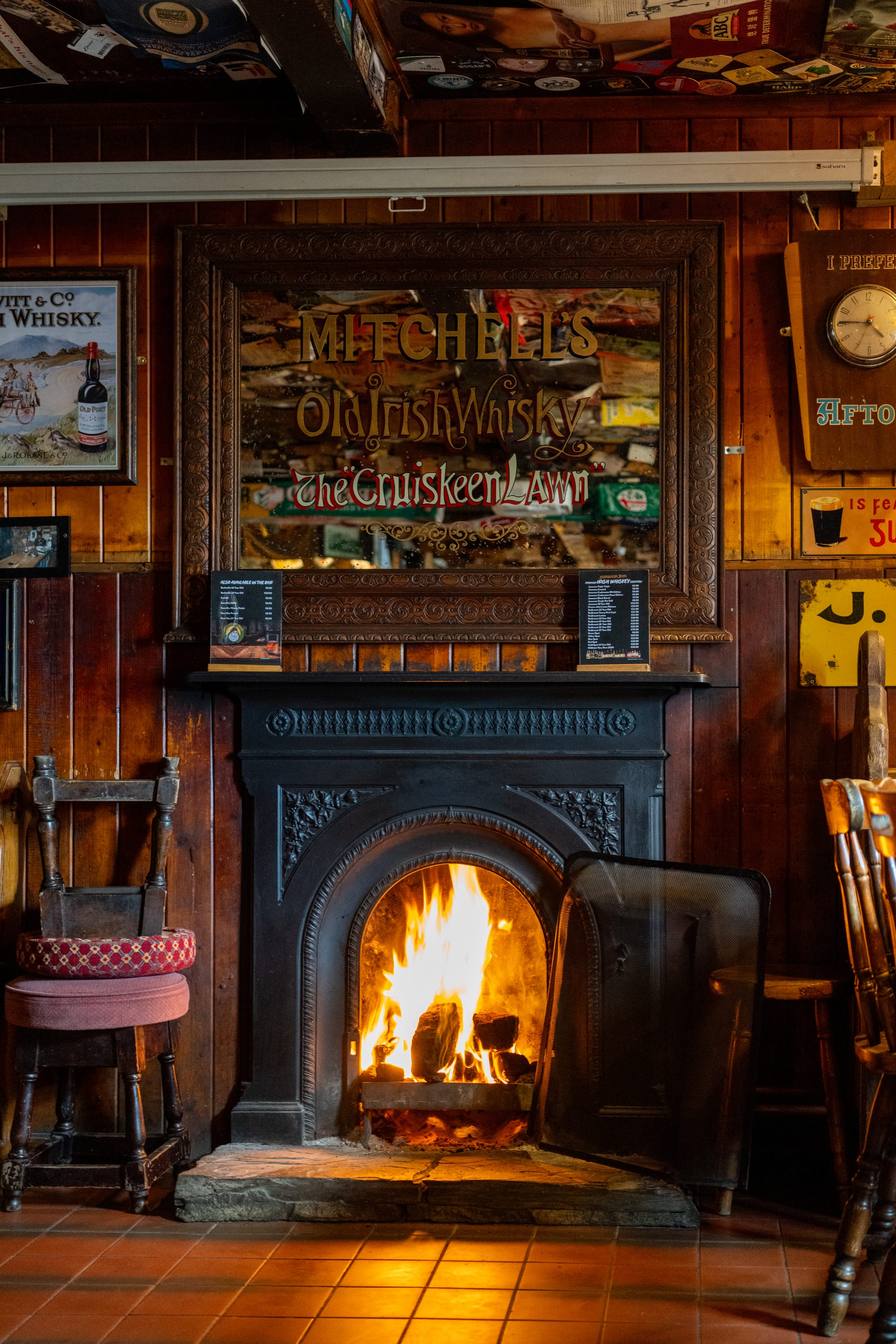
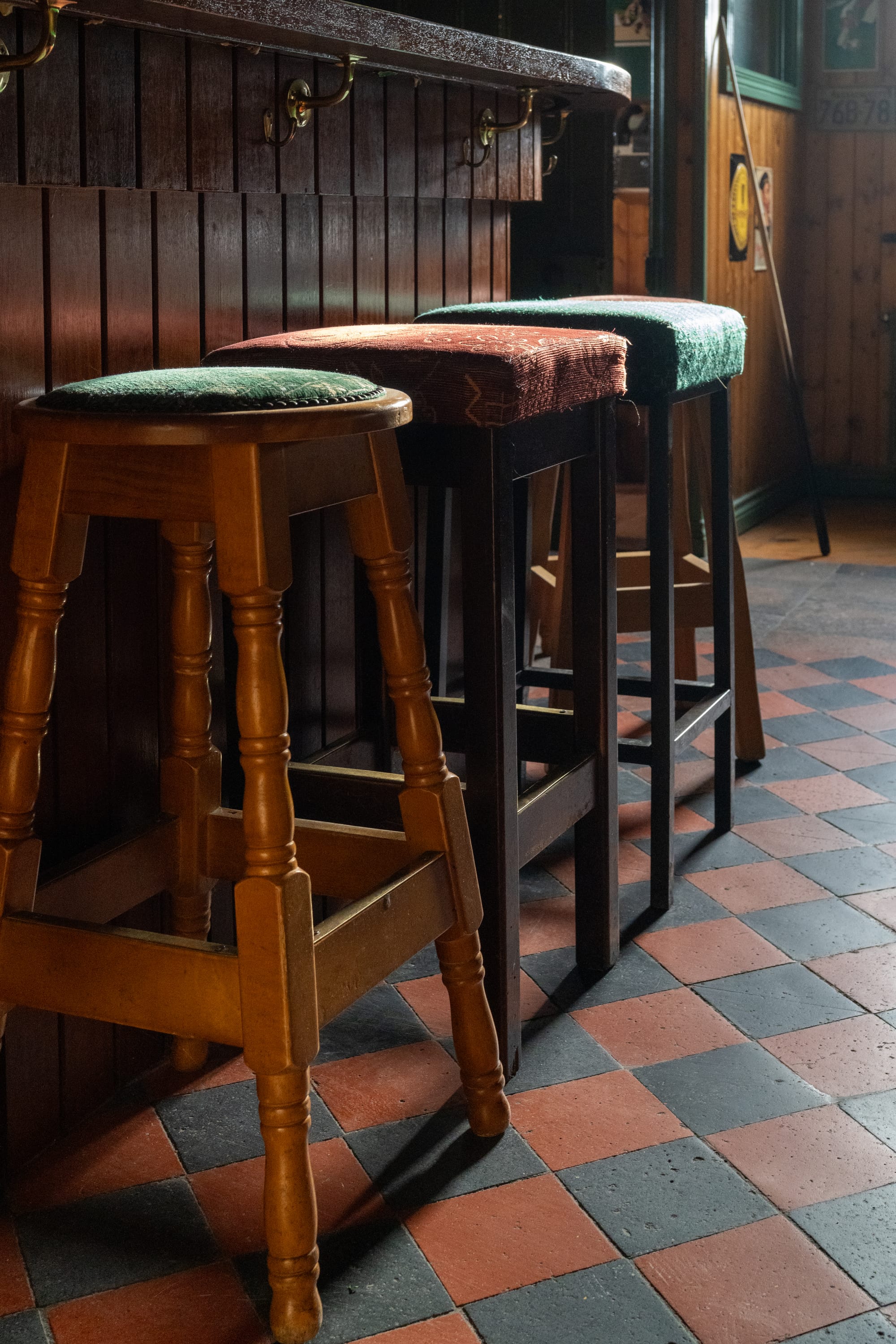
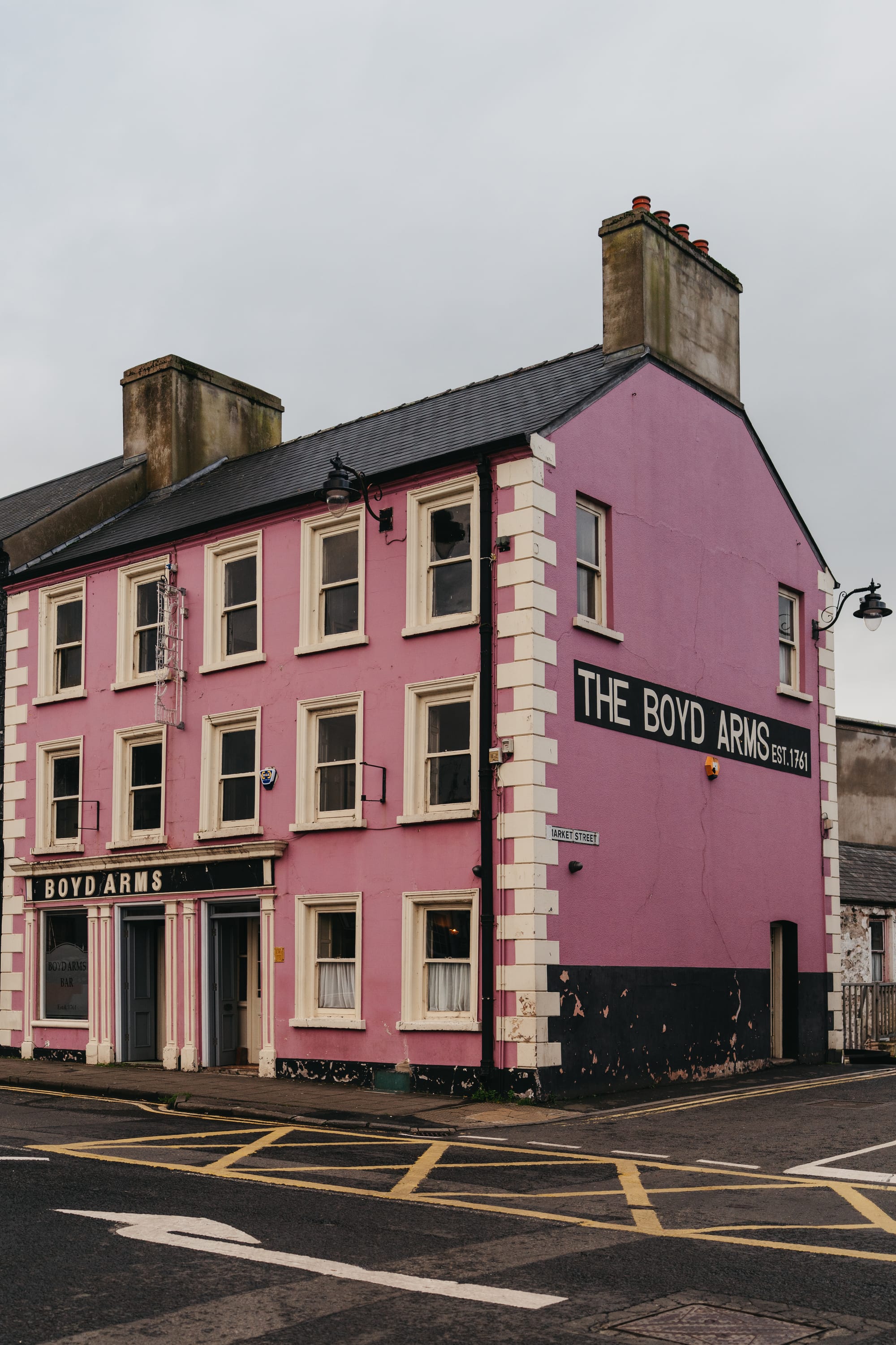
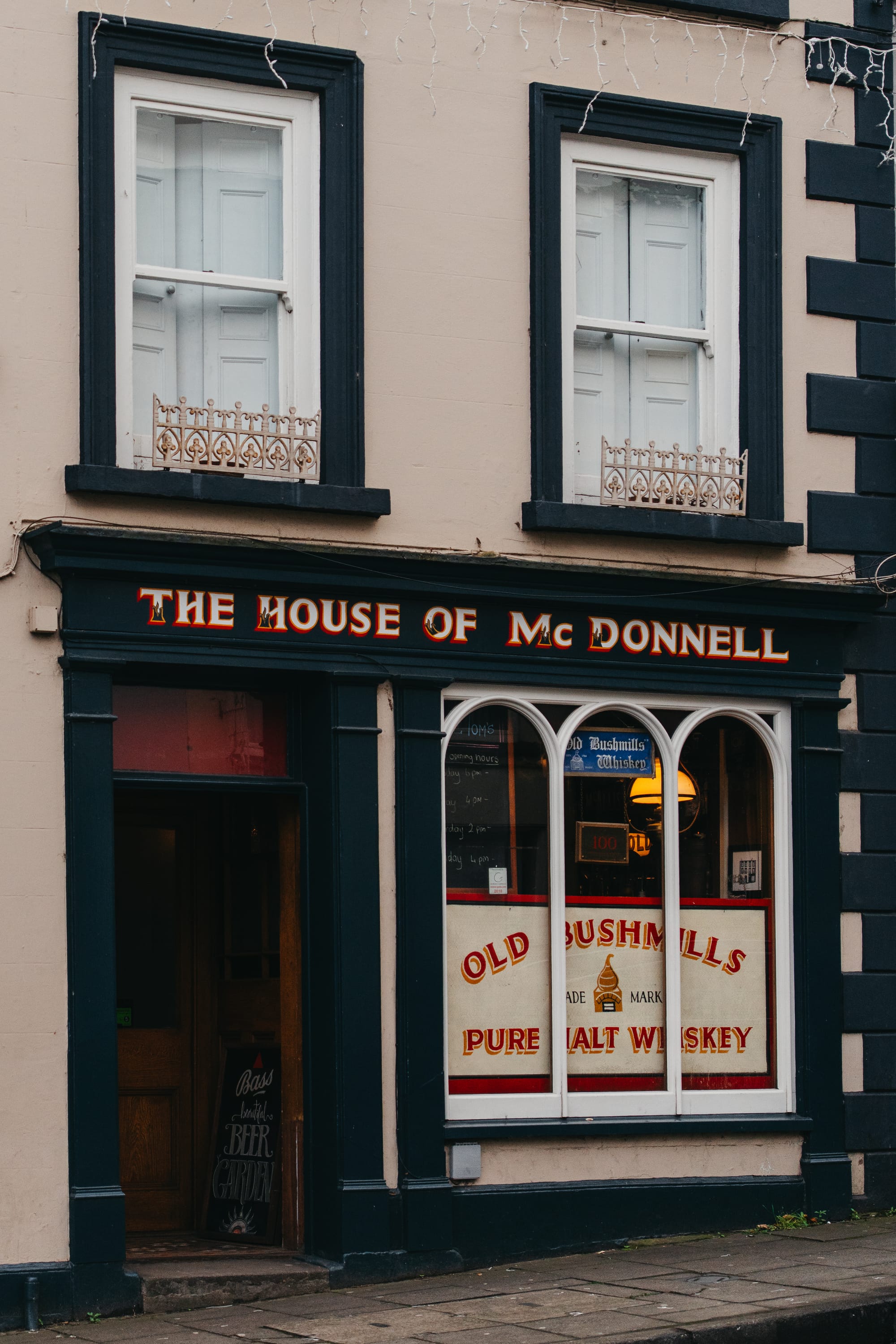
That moment sparked a lasting passion for finding cozy, hidden pubs in small towns across the island. From the ancient stone walls and sawdust floors of Sean’s Bar in Athlone, to music-filled nights at McDermott’s in Doolin, to the quiet welcome of An Sean Síbín in Ballina, and the storied history of The Boyd Arms and The House of McDonnell in Ballycastle, each spot offered its own kind of magic. The smell of turf smoke, the polished wooden bar, the creak of wooden stools, these details became part of my travels.
While lively nights of traditional music, festive Christmas pub crawls down Galway’s High Street, and spontaneous songs from a local singer are wonderful, my favorite moments are quieter. They’re found in a tucked-away corner, warmed by a roaring fire and shared with a few others who appreciate the simple perfection of a well-poured pint. In those spaces, the world seems to slow, and every sense, taste, sound, scent, reminds me that Irish pub experiences are about more than the drink. They’re about memory, connection, and the enduring warmth of belonging.
